Egypt Edition
  UAE Edition
  Saudi Edition
  MENA <> India Corridors
  Logistics (MENA)
  Climate (MENA)


 Share Issue






The nation is deep in the grip of the summer news slowdown, which we would normally celebrate, except (a) the resident 11-year-old started middle school yesterday, so it feels like fall; (b) we see a busy fall as Egypt’s IPO pipeline runs headlong into mixed sentiment on emerging markets and (c) well, we just want to get on with business.
That said, two of the fall’s marquee IPOs were formally announced yesterday as both Sarwa Capital (the consumer and structured finance provider that effectively created from scratch the nation’s market for securitized offerings) and CIRA (the nation’s top private-sector education player) issued their intentions to float shares on the Egyptian Exchange. We have chapter and verse in Speed Round, below.

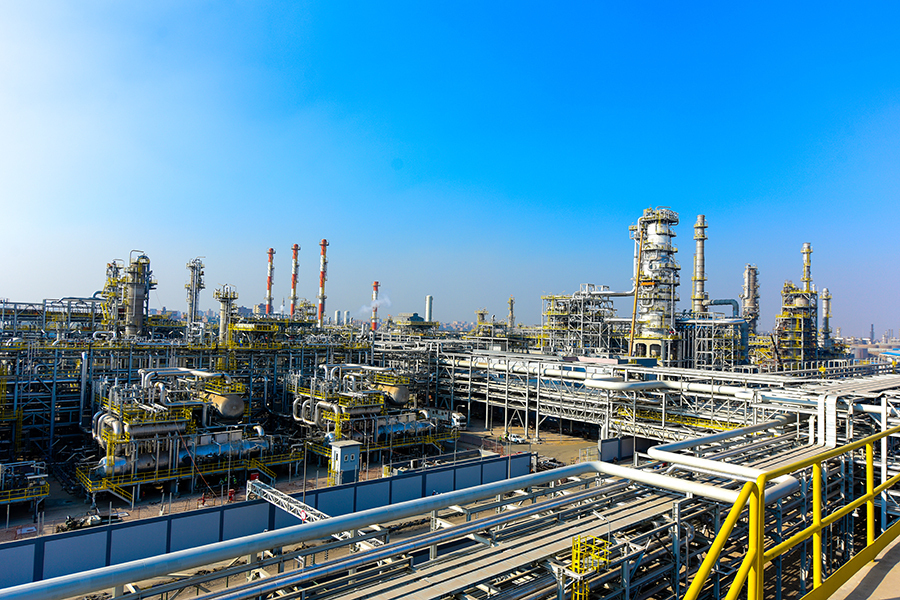
First they ignore you, then they laugh at you, then they fight you, then you win: Setting aside that Gandhi never uttered those words: You know one of your pet economic policies is getting traction when the international business press does a drive-by on it. And so it is with Egypt’s dream of emerging as the region’s premier energy hub, where the natural-gas side of the model gets scrutiny this morning from the Wall Street Journal.
The crux of the WSJ’s argument: Egyptian citizens are “footing the bill” for the country’s bid to become an energy exporter. The paper writes that the Sisi administration has “coaxed” major international oil companies to return to Egypt by paying them higher prices for natural gas and putting the burden of payment on consumers by raising electricity and gas prices. The strategy has attracted investment from the likes of Royal Dutch Shell, BP, and Eni, but some citizens are resentful: News of major hydrocarbon discoveries has come with rising costs of living.
One tiny problem: Nowhere does the story mention that those rising prices to consumers (and industry, let’s not forget) have come as the state phases-out ruinous energy subsidies that were (a) a key factor in our economic slump post-2011 and (b) disproportionately benefited not the poor, but rich folk whose energy-hungry businesses, SUVs and A/Cs, et cetera, were all subsidized at the cost of spending on social welfare and infrastructure.
But hey: Our energy dreams have made the front page (digital) of the Wall Street Journal, complete with a single-sentence kick in the pants to close it out from veteran analyst Robert Springborg, who has won attention in Egypt post-2011 for his views on the military’s involvement in the economy. Go read In Egypt’s Vision of Energy Independence, Egyptians Pay More.
Meanwhile:
There wasn’t a peep yesterday about Foreign Minister Sameh Shoukry and Egyptian intelligence chief Abbas Kamel, who were both due to have arrived in Addis Ababa for talks with Ethiopian Prime Minister Abiy Ahmed on the Grand Ethiopian Renaissance Dam (GERD). The biggest news of late out of Ethiopia of late: Ahmed has lined up USD 1 bn in direct budget support from the World Bank and continues to make nice with China, where he will be meeting with top officials during a September 3-4 visit to Beijing. China is Ethiopia’s largest trading partner and biggest foreign investor, according to Abiy’s chief of staff.

Mexico and the US may be edging toward a de-escalation of trade tensions, but it’s a bit early to be singing Hosanna to lords of trade. The global business press is making a lot of hay this morning out of news that the United States and Mexico agreed yesterday to renegotiate the terms of the North American Free Trade Agreement (Nafta) after more than a year of stalled negotiations, according to Reuters. The pressure is now on Canada “to agree to new terms on auto trade and dispute settlement rules to remain part of the three-nation pact.” Trump cranked up the heat, claiming the US would go for a bilateral agreement with Mexico if Canada opts out.
Markets rallied on expectations that Ottawa would sign on to a new agreement by the end of the week. Nasdaq and the S&P 500 both closed yesterday at record highs, while the MXN and CAD both rose against the USD. “With trade and Mexico, it is an indication to other countries, from a macro perspective, that the US is not inflexible, but just being firm in resolving trade disputes,” Capital Innovations’ Chief Investment Officer, Michael Underhill, tells the Financial Times.
But are the trade wars really coming to an end? So says MUFG Union Bank’s Chris Rupkey, who tells Bloomberg that “one by one the trade war dominoes are starting to fall backwards and are off the table for risks that threaten the global economy.” The USD has been “down in eight of the past nine trading days,” allowing EM currencies to begin to “claw back some of their recent losses,” according to the FT. Caveat lector The notion of trade wars ending is just the latest ‘tick’ in the tick-tock of a story that has a lot left to play out.
Indulging our inner Metternich: In the absence of Egyptian business news, we’re in a mood to pretend we know something about geopolitics, which we haven’t seriously studied since grad school. You may recall our suggestion on Sunday that we desert dwellers need to pay more attention to Arctic politics after Maersk launched a container ship on the Arctic Northern Sea route that could threaten the Suez Canal’s share of Asia-European trade. A handful of other strategy stories on our radar this morning:
- The UAE is emerging as the key to a new regional order as it flexes its muscles along the Red Sea after brokering last month of a rapprochement between Ethiopia and Eritrea.
- Qatar seems intent on making The Donald very happy with an agreement to expand two military bases, including “Udeid, which hosts the largest U.S. military facility in the Middle East.”
- What does a Chinese superpower look like? Nothing like the US, Bloomberg argues, saying debt, demographics and a “middle income trap” stand in the way of Beijing’s bid to expand its influence “from one polar cap to the other.”
- A Russian natural gas pipeline will give Moscow more sway over Europe in times of tension, raising hackles across Western and Eastern Europe.
iSheep, mark your calendars: Pundits are tipping Wednesday, 12 September as the most likely date for Apple’s fall product launch event. Wunderkind Apple reporter Mark Gurman writes for Bloomberg that three new iPhones, revamped iPads, a new Apple Watch and Updated AirPods could all be on the agenda.