Get EnterpriseAM daily

Available in your choice of English or Arabic

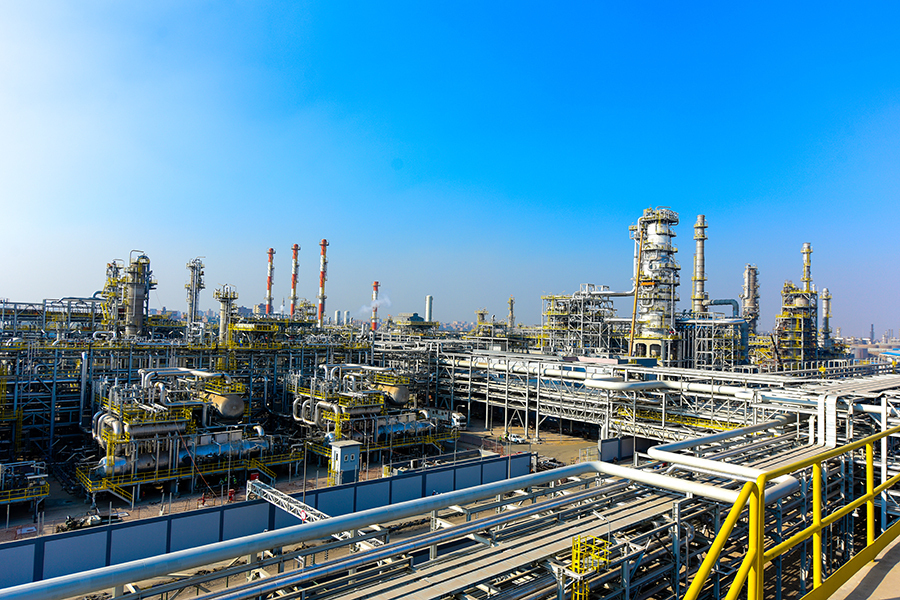
Chinese tire giant Sailun will set up USD 1 bn plan here

1

What We're Tracking Today

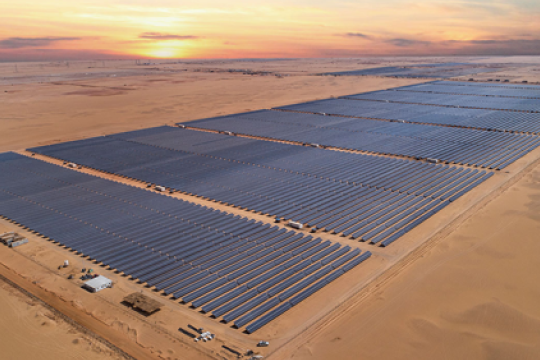
Egypt wants to boost gas production to 6.6 bn cf/d by 2027

Good morning, ladies and gentlemen. We close out the week with another busy issue led by Capital Economics’ take on what the strengthening EGP could mean for the country’s GDP and account deficit. We also have some good news for our automotive localization efforts — Chinese tire giant Sailun will set up a USD 1 bn plan in Ain Sokhna that will kick off production next year.

And even more good news: Home appliance distributors are slashing their prices in response to government initiatives and a strengthening EGP.

PSA-

WEATHER- Make sure to grab your sunglasses and water bottles before heading out this morning as Cairo is in for one very hot day. The capital is looking at a high of 42°C (that will feel more like 44°C) and a low of 27°C today, according to our favorite weather app.

It’s a little cooler in Alexandria, with a high of 36°C and a low of 39°C.

FX WATCH-

JUST LIKE CLOCKWORK- CIB has increased the amount of USD it will sell to travelers to USD 10k and raised the ceiling on credit card FX transactions for purchases abroad, according to statements seen by EnterpriseAM. You can check out the details on the lender’s website.

ICYMI- The move to raise the amount sold to travelers comes a day after the National Bank ofEgypt and Banque Misr announced similar decisions in the latest sign that the FX crunch is a thing of the past. CIB as well as NBE, Banque Misr, and ADIB Egypt earlier this week announced that they are slashing markup fees on credit card FX transactions to 3%. The moves come as the Central Bank of Egypt and commercial banks respond to stronger USD liquidity, boosted by higher tourism revenues, and an uptick in remittances, exports, and portfolio investments, banking sources previously told EnterpriseAM.

Other banks have started following suit: QNB Egypt has cut its markup fees on credit card FX transactions to 2% and raised the monthly international limit for select premium cards to EGP 500k.


PROJECT UPDATE-

Egypt is planning to launch its new USD 1.6 bn Qena-Safaga high-speed rail line by 1H 2026, Asharq Business reports, citing three unnamed officials. The project — the third of its type in a 1.8k km new high-speed network planned across the country — will be implemented by a consortium of Siemens Mobility, Arab Contractors, Orascom Construction, and Elsewedy Electric, under the supervision of the National Tunnel Authority, one of the sources told the news outlet.

The new line will span 175 km, linking Upper Egypt’s Qena to the Red Sea’s Hurghada and Safaga and boasting a daily capacity of 200k passengers and 1.5k tons of cargo, according to the National Authority for Tunnels’ website.

DATA POINT-

Egypt aims to boost its gas production to 6.6 bn cubic feet per day by 2027, Prime Minister Moustafa Madbouly said during his weekly presser yesterday. Production currently stands at 4.1 bn cubic feet per day.

REMEMBER- The government is preparing a new bidding round to attract energy investors and is seeking to increase natural gas production by developing several fields to produce some 300 to 350 bn cubic feet of gas, a government source previously told us. The plan to increase production will reduce the import bill for petroleum products for the current fiscal year by approximately USD 1.5 bn, according to the source.

ELECTIONS WATCH-

A total of 195 of the 200 elected Senate seats were settled in the first round of voting, National Election Authority Chairman Hazem Badawy said earlier this week at a presser where he announced the results of the Senate election (watch, runtime; 32:57). The National Unified List — the only closed party list in the race — secured all 100 list-based seats after passing the 5% threshold in all four constituencies.

Runoffs will be held for the remaining five seats across Gharbia, Beni Suef, New Valley, Luxor, and Ismailia on 25-26 August for Egyptians abroad and on 27-28 August for voters at home. Final results are expected to be announced on 4 September.

Some 11.8 mn out of 69.3 mn eligible voters cast their ballots — equivalent to 17.1% of eligible voters — with turnout reaching just over 26% in Cairo and Giza and 16% in Alexandria.

** DID YOU KNOW that we now cover Saudi Arabia and the UAE?

** Were you forwarded this email? Tap or click here to get your own copy delivered every weekday before 7am Cairo time — without charge.


CORRECTION- In yesterday’s issue of EnterpriseAM Egypt, we made a typo stating that Bonyan’s fair asset value was around half of its market capitalization. As stated elsewhere in the story, it is double the market capitalization. We have since amended the story on our website.

THE BIG STORY ABROAD-

It’s much less of a business-focused morning in the international press this morning as US President Donald Trump’s upcoming summit with Russia’s Vladimir Putin dominates headlines. Trump threatened Russia with “severe consequences” if Putin doesn’t agree to a ceasefire during their upcoming meeting, and has agreed with the leaders of Ukraine and other European countries that he would not enter territory negotiations with Putin on Friday. The Wall Street Journal and Reuters have more.

IN THE BUSINESS AND FINANCE WORLD- Crypto exchange Bullish saw its shares close up 83.8% on its first day of trading on the NYSE, after rising as much as 219% in intraday trading. The crypto player — which had priced its IPO above its price guidance — raised c. USD 1.1 bn in the IPO, and now has a market value of USD 9.9 bn. (Bloomberg | WSJ)

AND- Succession plans at the US Federal Reserve are beginning to take form ahead the end of Fed Chairman Jerome Powell’s second term next May. The US Treasury has selected a list of 11 candidates for Trump to select, including Jefferies Chief Market Strategist David Zervos, BlackRock CIO of Global Fixed Income Rick Rieder, and a handful of current and former Fed governors. CNBC and the Financial Times have the story.

Whether you’re diving into turquoise waters, catching golden hour from your terrace, or just letting time drift by — Somabay is summer, redefined. Your ultimate escape, every single time.

2

Investment Watch

Sailun Group to invest USD 1 bn in Sokhna tire plant

Chinese tiremaker Sailun Group will invest USD 1 bn to build an automotive tire plant in the China-Egypt Teda industrial zone within the Sokhna Industrial Zone, according to a statement. The 350k sqm facility will be developed in three phases over three years.

(Tap or click the headline above to read this story with all of the links to our background as well as external sources.)

The first phase will begin production in 2026, with a capacity of 3 mn passenger car tires and 600k truck and bus tires annually. Once fully operational, the factory’s total output will exceed 10 mn tires a year, serving both local and export markets.

Sailun is no small fish in the world of tires, ranking as the largest listed tire company in China by revenue. Globally, Sailun ranks as the tenth largest tire company by brand value, according to Brand Finance’s 2025 rankings.

Sailun’s USD 1 bn factory isn’t the only local tire project in the works — and it’s not even the most expensive. Organi Group acquired 50% of Rolling Plus Chemical Industries in March to revive its EUR 1 bn tire factory project in the SCZone in partnership with Concrete Plus. In addition to this 7 mn a year tire project, an unnamed Chinese company is reportedly looking to set up a USD 360 mn tire factory in the SCZone in partnership with the state-owned Arab Organization for Industrialization.

…and there’s more: The government’s attempt to revive and develop state-owned tire manufacturer Trenco also seems to be bearing fruit with an agreement to develop Trenco’s Alexandria-based factory with unnamed European companies and an agreement to establish a new Trenco tire factory with a Chinese company in Alexandria’s Amreya.

Due to its size, the international press also picked up the story: Reuters

** Read more about our fledgling domestic tire industry — and the challenges it’s facing — in this Inside Industry two-parter we published in 2023 (Part I |Part II).

This publication is proudly sponsored by

3

Economy

Capital Economics sees EGP rally boosting GDP, narrowing current account gap

Stronger EGP is seen boosting economic outlook: The EGP’s rebound against the USD this year is poised to stimulate the country’s GDP growth over the coming years and ease risks from the current account deficit, Capital Economics’ James Swanston wrote in a research note seen by EnterpriseAM.

From pain to gain: Devaluation upside emerges. While the float of the EGP has caused short-term pain, it is now beginning to deliver some long-term benefits, CE noted. A significant sign of these gains is that the manufacturing component of the industrial production index reached a record high in May. This growth was fueled by increased output in key exporting industries, particularly textiles and chemicals.

Quick update before we dive in: The EGP continued its rally against the greenback yesterday, hitting its highest level in over a year. The USD was changing hands at EGP 48.30-48.40 at the National Bank of Egypt, Banque Misr, and CIB by the end of yesterday’s trading.

This rebound is boosted by “daily inflows of USD 150-350 mn, in addition to revenues derived from tourist expenditure,” a banking source told EnterpriseAM yesterday. The USD may fall below the EGP 48 mark before the end of this month, if economic indicators continue to support the local currency, the source anticipates. The source also noted the completion of the fifth and sixth reviews of our USD 8 bn IMF loan program — which is penciled in for September or October — would further strengthen the EGP in 4Q.

The EGP has gained nearly 5% so far this year. Real effective exchange rate — a measure of the trade-weighted exchange rate adjusted for inflation — has appreciated by around 10% YTD, CE noted. “Even so, it remains close to the low it reached following the devaluation in 2016 and is nearly 25% weaker than in early 2024. And there is growing evidence that the associated improvement in external competitiveness is bearing fruit,” the research note read.

Why this rally is not a red flag: The currency’s strength would have raised concerns in the past due to previous patterns of overvaluation and subsequent devaluations. But this time, the situation is different and the CE is not so alarmed. Why? Because the EGP’s recent gains largely mirror the USD’s weakness. Meanwhile, the EGP has fallen nearly 7% against the EUR this year and, on a trade-weighted basis, has been stable since January, the research note highlighted.

Egypt’s current account deficit is seen narrowing further, with services exports set to benefit from a surge in tourism revenues boosted by increased competitiveness, CE noted. Our current account deficit narrowed to USD 13.2 bn in the first nine months of the fiscal year 2024-2025. Most of the improvement came in 3Q, when the current account deficit narrowed 69.3% y-o-y on the back of surging remittances, higher tourism revenues, and a jump in non-oil exports. “On a seasonally-adjusted basis, Egypt’s current account deficit has improved sharply and is smaller than after a similar-sized fall in the EGP in 2016,” CE noted.

Speaking of tourism, more holidaymakers are looking at Egypt: The research note highlighted reports from Tui — Europe’s largest package holiday operator — that indicate that many travellers are shifting to more affordable destinations like Egypt instead of pricier European locations such as Spain. “In the four quarters to 1Q, tourism receipts rose to a 14-year high of 4.6% of GDP,” the research note read.

The Madbouly government is aiming to attract 18 mn tourists by the end of the year, contributing to the nation’s economic growth. In the first nine months of the last fiscal year, tourism revenues increased 15.4% y-o-y to USD 12.5 bn.

Another significant indicator is the surge in remittances inflows, which reached “a seven-year high of 9.3% of GDP” in the four quarters leading to the 1Q 2025, according to the research note. This increase is partly a result of improved FX conditions, which have boosted confidence among Egyptians abroad.

ALSO- A potential easing of regional tensions and a recovery in Red Sea shipping would boost Suez Canal revenues. The waterway, a vital source of FX revenues, has been severely impacted by continued Red Sea disruptions, with receipts dropping 54.1% y-o-y to USD 2.6 bn during the first nine months of the last fiscal year.

Macrostability returned: CE said that the improvement in the balance of payments signals that the country is restoring macroeconomic stability, noting that the priority for officials right now is to advance structural reforms aimed at unlocking stronger GDP growth over the medium-to-long term.

On the risks ahead: Growing global trade tensions pose a risk to Egypt, particularly the 10% base tariff imposed by the US, with the textiles industry emerging as a vulnerable sector, seeing as around half of its output is exported to the US, CE said. However, “the economic hit in aggregate should be small.”

4

Real estate

Evolving consumer preferences are creating both potential for growth and challenges for developers in Egypt

The level of progress in construction is the most important factor for buyers when selecting a developer, ranking ahead of the developer’s financial strength, experience, market reputation, the consultants they work with, and, lastly, advertising and marketing, according to proptech platform Aqarmap’s Egypt Real Estate Trends 2025 report.

The methodology: These insights are based on Aqarmap’s monthly index, which has tracked Egypt’s property demand since 2012. The index uses a proprietary algorithm drawing on data from the Aqarmap platform, search engines, macroeconomic indicators, financial statements, and listed developer performance metrics. It measures demand dynamics and buyer behavior — not price changes.

Investment ranked as the primary motive for buying property, followed by moving to a new area, purchasing a first home, buying for children, marriage, or a coastal home. Other reasons included downsizing, upgrading, or expanding a current living space.

What services do buyers want most? The most in-demand services in real estate projects were malls, public transport, and social or sports clubs, followed by highways, hospitals, schools, and universities. And when it comes to amenities, buyers were shown to favor green spaces, malls and shops, and social and sports clubs, over smart homes, water features, and childcare facilities.

Respondents also preferred modern and simple architectural styles the most, followed by environmentally friendly and green designs, and low-cost minimalist designs. Other preferences were spread across American-European, Andalusian-Islamic, high-tech futuristic, and traditional Egyptian styles. Fully finished units were favored over semi-finished, fully furnished, or shell-and-core units.

How do buyers finance their purchases? Buyers of properties worth more than EGP 10 mn rely primarily on monthly salaries, followed by business income, liquidating assets, and loans. For units priced between EGP 3-7 mn, the main source was long-term personal savings, followed by salaries and asset sales — the same as buyers of properties below EGP 3 mn. Across all price tiers, loans, bonuses, incentives, and family support were also common financing methods.

SHAPING DEMAND IN LOCAL MARKET-

What about demand trends in the Egyptian market? Demand for real estate has been on the decline since March 2024, weighed by the float of the EGP, which eroded purchasing power and investor confidence, according to Aqarmap’s property market index. Broader economic turbulence — especially the steep devaluation of the EGP — has made strategic planning and reliable investment forecasting increasingly difficult amid shifting buyer needs and behaviors.

The interaction between the USD, black market exchange rates, and the property sector was critical. By late 2024 and early 2025, the price per sqm in Cairo had stabilized — or even dipped slightly — compared to earlier in the year. Market reports showed sales slowed in 4Q 2024 as the EGP stabilized and speculative buying eased. Developers responded by rolling out long-term installment plans to spur demand, citing “relative price stability” after sharp 2023 increases.

The gap between official and parallel market rates widened after 2022, making Cairo prices more volatile in USD terms. The sharp increase in early 2023 reflected the EGP’s steep fall and surging demand for USD. The March 2024 float narrowed the gap significantly.

Developers extended payment terms to maintain affordability and support sales. Average repayment periods rose from 4.3 years in 2015 to over 8.5 years by 2024. Mortgage financing activity surged after 2021, peaking in 2022 as buyers turned to structured financing solutions. With only the first three quarters of 2024 recorded, mortgage volumes were on track to surpass previous highs by year-end. Aqarmap says this reflects a dual reliance on both developer-led and institutional financing to navigate Egypt’s economic headwinds.

When the ideal home was out of reach, buyers opted for lower-priced areas, more distant locations, or much smaller units. Some even chose to live with family or rent instead of buying, according to survey respondents.

5

RETAIL

Home appliance distributors lower prices amid market stagnation and stronger EGP

Major home appliance providers reduced their prices by around 20% in response to a government initiative to reduce prices by 15-20%, as well as a stronger EGP against the greenback, leading local players told EnterpriseAM.

(Tap or click the headline above to read this story with all of the links to our background as well as external sources.)

Some household names were among those with sizable reductions, including Beko Egypt with a 20% discount on its home appliances “to help ease the burdens on Egyptian families, in line with the government’s directives and the Consumer Protection Agency’s efforts to regulate prices and enhance market stability,” the company said in a statement (pdf). El Araby Group also revealed discounts on all home appliances, including refrigerators, washing machines, and televisions, a company representative told EnterpriseAM. Unionaire, too, announced price reductions.

Part of the reason is overproduction and market stagnation, which has pushed manufacturers to respond by cutting prices, head of the Federation of Egyptian Industries’ Home Appliances Division Hassan Mabrouk told EnterpriseAM. Seasonal air conditioner sales have seen low demand despite extreme heat, pushing distributors to give up a large portion of their margins in exchange for sales incentives to fulfill their quotas from manufacturers, he explained.

Increased investment from global companies in the local home appliances manufacturing sector has ramped up production and market competition, which also contributed to the price cuts in the sector, Mabrouk said, pointing to the influx of Chinese and Turkish investments in the sector. Between three and four new factories are under construction this year with investments of around USD 200 mn. One of the factories, which is awaiting its official opening, has already started distributing products in the local market through contract manufacturing, adding to current competition.

The localization of supporting industries and a halt on imports of home appliance components have been supporting growth in the sector, Mabrouk said. These include the local production of refrigerator compressors, air conditioner compressors, safety valves, and motion dynamics. The local component ratio for some appliances is expected to increase within months to 80% for cookers and 70% for air conditioners and refrigerators, once compressors are produced locally and used by other factories, Mabrouk added.

6

Manufacturing

Steelmakers call for reimposing protective duties on imported iron ore billets

Steelmakers have formally called for the government to reimpose protective duties on imports of iron ore billets, a government source told EnterpriseAM. The Supreme Council for Customs Tariffs is currently reviewing the requests, which proponents argue will help address current market imbalances that are pushing local manufacturers to source billets through imports instead of local producers.

(Tap or click the headline above to read this story with all of the links to our background as well as external sources.)

REMEMBER- A total of13 local companies are eyeing the new billet production license — including Ashry Steel, which is planning to build a USD 200 mn billet plant in its Sixth of October complex, targeting an annual production capacity of 1 mn tons, Chairman Ayman El Ashry previously told EnterpriseAM. The requests and proposals follow a government plan to boost the local iron industry, cut down on iron imports, and turn Egypt into a regional iron export hub.

This wouldn’t be the first time protective duties have been imposed on billet imports, with a 15% duty imposed between 2019 and 2021.

SOUND SMART- Iron ore billets are a critical intermediate product in the steel manufacturing process. They are semi-finished, solid blocks of steel, typically with a square or circular cross-section, produced from the continuous casting of molten steel. These billets are not a final product themselves but serve as the fundamental raw material for creating a wide variety of finished steel goods, including rebar, wire rods, pipes, and tubes — all key construction inputs.

Upcoming customs and tariffs amendments could address this — and also other imports affecting other industries. The council has received requests from a large number of industries to adjust tariffs, which supporters say will help support the state’s industrial expansion and localization ambitions, our source told us.

7

Cabinet watch

Cabinet sets rules for Old Rent Law committees, greenlights new industrial land pricing

The Madbouly government signed off on a package of decisions during its weekly meeting yesterday, including measures to implement the amended Old Rent Law and new rules for selling or leasing state-owned industrial plots, according to statements from the cabinet.

(Tap or click the headline above to read this story with all of the links to our background as well as external sources.)

#1- The cabinet approved the rules for setting up governorate-level committees that will inventory and value all old-rent residential areas. Committees will sort areas into premium, middle-income, and economic zones using a points-based system considering location, building condition, unit size, infrastructure, and services, and must complete their work within three months of the law’s effective date. Governors will publish classifications in the Official Gazette.

ICYMI- President Abdel Fattah El Sisi earlier this month signed into law amendments to the OldRent Law. The legislation sets a seven-year transitional period for tenants to vacate residential units and five years for non-residential units rented by individuals, after which all old rent contracts will be scrapped.

#2- Ministers also approved a draft decision setting unified rules for selling or leasing state-owned industrial plots, either via the Egypt Digital Industrial Platform or by direct application to the Industry Ministry. Buyers or usufruct holders must first pay for the plot in full, obtain licensing, and operate for at least three years before resale or transfer. They can convert from usufruct to ownership after three years of operations, subject to market revaluation.

#3- Changes to car import facilities for those with disabilities: The cabinet greenlit a draft decision amending customs and VAT exemptions on imported cars for individuals with disabilities, which would allow them to import one car tax and duty-free every 15 years, instead of every 5 years as currently allowed. Approved changes also tighten conditions on resale, use, and eligibility, and raise penalties — including prison time — for forging documents, making false claims, or impersonating a person with a disability to access benefits.

The decision isn’t ideal for disabled drivers: Most beneficiaries of the exemptions import used vehicles to keep costs down; a 2020 model brought in during 2025 would effectively need to be kept until 2040 under the new cabinet-passed amendments — turning it into a worn-out car and raising breakdown risks that are harder for disabled drivers to manage, Auto Dealers Association head Osama Abou El Magd told EnterpriseAM. Global practice is closer to a five-year replacement cycle, and policymakers should revisit the decision, keep the five-year limit, and tighten regulations against misuse, he added.

REMEMBER- The Madbouly government has been working to close a loophole that some have used to import cars without paying the necessary fees. Last year, the cabinet approved a draft decision to amend the executive regulations of the law that governs the rights of people with disabilities, changing the vehicle import system for those with disabilities, and making it more difficult for people to abuse.

#4- Ministers also approved the reallocation of land to expand Al Arish Port and build a rail link to the Bir El Abd-Al Arish-Ras El Naqab line.

8

EARNINGS WATCH

Valu, Bonyan, Raya CX and more report earnings

Earnings season is in full swing, with a handful of listed companies out with their 2Q and 1H results.

VALU’S NET INCOME MORE THAN DOUBLES IN 2Q-

Valu reported a net income of EGP 217 mn in 2Q 2025, marking a 121% increase y-o-y, according to its first earnings release(pdf) since its EGX debut. The fintech giant saw revenues jump 96% y-o-y during the quarter to record EGP 1.5 bn.

(Tap or click the headline above to read this story with all of the links to our background as well as external sources.)

Strong operating performance drives quarterly gains: Gross merchandise value (GMV) for the quarter reached EGP 5.2 bn, while transactions hit 1.9 mn. Spending on Valu’s prepaid card more than tripled y-o-y, averaging EGP 10.6 mn per day, while the Shift auto loan product also contributed significantly to GMV growth.

Solid first-half results: In 1H 2025, revenue rose 94% y-o-y to EGP 2.6 bn, while net income climbed 64% to EGP 341 mn. GMV for the half increased 80% to EGP 10.6 bn on 3.6 mn transactions. Total loans during the six-month period grew 60% y-o-y to EGP 8.9 bn. The company closed the half with 831k activated customers and a 25% market share.

What they said: “We have transitioned from a disruptive startup to a publicly listed company with a proven track record of profitability and strong performance in the first half of 2025, a milestone that cements our evolution,” said CEO Walid Hassouna. “The Amazon transaction, through which Amazon acquired a direct stake in Valu and our EGX listing, has unlocked new strategic levers to accelerate progress, deepen our funding base, and extend our regional footprint, with Jordan marking our first MENA entry beyond Egypt.”

REMEMBER- Valu became the first consumer finance company to list on the EGX in June. The listing came via a novel structure that saw EFG Holding distribute a 20.5% stake in Valu’s parent company, U Consumer Finance, to its shareholders as a dividend in lieu of cash. EFG retained a 67% stake, while Amazon exercised a three-year-old option to acquire a nearly 4% stake at EGP 6.04 per share.

BONYAN POSTS EGP 609 MN IN NET INCOME IN 2Q 2025-

Recently-listed Bonyan saw its revenues increase 18.1% y-o-y to come in at EGP 199.4 mn in 2Q 2025, according to its first earnings release(pdf) since its July IPO. 

Bonyan's gross asset value (GAV) — the key metric of the real estate investment company's performance — rose to 17.41 bn as of June 2025, marking a 9% y-t-d increase, outpacing Egypt's 7.9% average headline inflation in the first six months of the year. The company net income decreased 37.1% y-o-y in 2Q 2025 to record EGP 608.8 mn, as it was impacted by a slower gain in fair market value.

What they said: “Bonyan is firmly positioned to become one of Egypt’s largest owners of Grade-A commercial real estate,” said CEO Tarek Abdelrahman. “The most important indicators of the company’s financial health remain GAV and its sustained growth above inflation, alongside consistent rental revenue expansion.”

REMEMBER-Bonyan made its EGX debut in July pricing its IPO at the lower end of the range at EGP 4.96 per share, in an EGP 1.8 bn transaction. The listing made Bonyan the first pure-play real estate operating company to list on the exchange.

RAYA CX SEES REVENUES RISE, INCOME FALL IN 1H-

Raya Customer Experience reported net income of EGP 145.1 mn in 1H 2025, down 40.9% y-o-y, according to its latest earnings release (pdf). Revenues rose 4.5% to EGP 1.3 bn as steady client demand and a new consultancy line offset last year’s one-off FX gains.

Largely similar performance in 2Q: Revenue rose 7.4% y-o-y to EGP 683.6 mn during the quarter, while net income stood at EGP 79.4 mn, down 41.5% y-o-y. The quarter saw a jump in hosting (11.4%) and insourcing (34.2%) revenues, which helped offset a dip in outsourcing revenues.

Breaking it down: Egypt-based operations made up the lion’s share (79.4%) of the company’s revenues during the first half of the year, coming in at EGP 1 bn. GCC revenues contributed 16.6% at EGP 218.5 mn, Polish and US operations followed. USD revenues accounted for 67.1% of total revenues. “RCX continues to focus on consolidating recurring USD revenues to help mitigate the impact of foreign exchange fluctuations,” the release read.

E-FINANCE POSTS STRONG GROWTH IN 1H AND 2Q 2025-

State-owned fintech giant E-finance saw its adjusted net income rise 65.2% y-o-y in 1H 2025 to EGP 1.3 bn, according to the company’s latest earnings release (pdf). The company’s revenues climbed 41.5% y-o-y to EGP 3.2 bn during the six-month period, “driven by broad-based growth across the group’s subsidiaries.”

Driving the growth: E-finance’s flagship business E-finance Digital Operations contributed 87% of the company’s total revenues for the six-month period, with the subsidiary’s top line rising 36.0% y-o-y to EGP 2.8 bn. This was “driven by solid results across its transaction and cloud hosting revenues” as transaction revenues rose 40.0% y-o-y to EGP 1.1 bn and cloud hosting revenues were up 63.1% y-o-y to EGP 1.2 bn. Revenues also saw solid growth across E-finance’s other subsidiaries, including eNovate, eNable, and eAswaaq. However, eKhalas was the only subsidiary to see a dip in revenues during the half, with a 1.4% y-o-y dip.

On a quarterly basis: Adjusted net income came in at EGP 638.2 mn during the second quarter of the year, marking a 112.6% y-o-y jump, while revenues rose 42.0% y-o-y to EGP 1.6 bn.

What they said:“Our consistent double-digit growth at both the top- and bottom-line levels reflects the strength of our platform, the agility of our business model, and the growing importance of our digital infrastructure in Egypt’s economy.” Chairman Ibrahim Sarhan said. “We are currently working on restructuring the group’s subsidiary structure. The proposed structure aims to streamline operations and optimize costs by merging complimentary product lines, eliminating redundant infrastructure, and leveraging existing synergies within the group, ultimately supporting sustainable, long-term growth,” he added.

ORIENTAL WEAVERS POSTS MIXED RESULTS-

Oriental Weavers saw its net income dip 38% y-o-y during the second quarter of the year to EGP 566 mn, according to its latest earnings release (pdf). Revenues for the quarter were up 7% y-o-y to EGP 6.2 bn. 1H 2025 results reflected the same trend, with revenues up 17% y-o-y to EGP 12.6 bn and net income down 24% y-o-y to EGP 1.1 bn.

9

Also on our Radar

British dairy farmers will continue to have easy access to the Egyptian market

TRADE-

Egypt dropped plans to impose a halal certification requirement on dairy imports from the UK, averting a potential trade barrier that would have come into effect in January 2026, the UK’s Department for Business and Trade said in a statement. The move will butter up an estimated GBP 250 mn in UK dairy exports over five years, cutting red tape and cost burdens — all gouda news for British exporters of cheese, butter, and milk powder.

(Tap or click the headline above to read this story with all of the links to our background as well as external sources.)

The proposed halal certification requirement would have added over GBP 1k in fees per shipment, the government department claims. UK dairy imports into Egypt totalled USD 26 mn in 2024, but this move provides more market certainty that could lead to an uptick in imports from UK producers.

The move is part of a wider shift in Egypt’s halal certification policy. The certification policy on dairy products was a precautionary measure, and its removal would help reduce import costs, cabinet spokesman Mohamed El Homsani previously said in May. His comments followed Egypt permanently exempting US-made dairy products from halal certification — a long-standing ask by American exporters — and moved to cut halal certification fees by 30-50%.

TRANSPORT-

The National Authority for Tunnels plans to spend EGP 15 bn to revamp the Cairo Metro Line 2 over five years, Asharq Business reports, citing unnamed government sources. The project will be offered to local companies to work on upgrading the 21.6-km line, including installing platform screen doors, modernizing station facilities, renewing railway tracks, and upgrading elevators and internal drainage systems across its 20 stations.

10

PLANET FINANCE

Investors shift bns of USD out of US equities amid growth concerns, weakening USD

Global investors are increasingly shifting capital away from US stock markets, funneling USD 13.6 bn into global equity funds outside the US in July — the biggest inflow since December 2021, Reuters reports, citing data from LSEG Lipper. Meanwhile, US-focused equity funds saw USD 6.3 bn in outflows, marking the third consecutive month of net withdrawals. The exodus comes amid mounting investor macro concerns, worries of overvalued stocks, and a weakening greenback.

(Tap or click the headline above to read this story with all of the links to our background as well as external sources.)

The shift began earlier this year, as investors grew wary of President Donald Trump’s protectionist economic agenda and its effect on US assets. “While tariff de-escalation was a tailwind in the second quarter, unresolved trade negotiations and policy deadlines approaching in the early third quarter pose ongoing risks,” said Shelton Capital Management CIO Derek Izuel. He warned that persistent uncertainty “could reignite flows out of US equities, particularly if growth differentials continue to narrow or the Federal Reserve maintains restrictive monetary policy.”

Investors are now turning to markets with lower valuations, easier monetary conditions, and improved growth prospects. Both the MSCI Emerging Markets EMEA Index and MSCI Europe Index are up over 19% YTD, while the MSCI Asia Pacific ex-Japan Index is up 14% — both outperforming the S&P 500, which is up just over 7.2% so far this year.

Adding to the pressure to relocate capital outside the states is a weakening greenback, which is down around 10% YTD. This has, in turn, boosted returns from overseas investments for USD-based investors.

Valuation gaps are also hard to ignore, with the 12-month forward price-to-earnings ratio for the MSCI US Index standing at 22.6, compared to 14.4 for MSCI Asia, 14.2 for MSCI Europe, and 19.7 for the MSCI World Index, further underlining the appeal of non-US markets.

But some say it’s just a rebalance, not a retreat. While the scale of July’s shift is significant, not all analysts see it as a fundamental reversal of the US equity story. “We see this recent trend as more of a strategic rebalancing to neutral positioning from a geographic perspective and less of an adoption of any underweight to the US,” SEI CIO Jim Smigiel told the newswire.

MARKETS THIS MORNING-

Asian markets are mixed in early trading this morning — Japan’s Nikkei is in the red, down 1.4%, while the Shanghai Composite and Hang Seng are in the green, looking at gains of 0.5% and 0.4%, respectively. South Korea’s Kospi is flat.

EGX30

35,855

-0.4% (YTD: +20.6%)

USD (CBE)

Buy 48.25

Sell 48.39

USD (CIB)

Buy 48.30

Sell 48.40

Interest rates (CBE)

24.00% deposit

25.00% lending

Tadawul

10,763

-0.1% (YTD: -10.6%)

ADX

10,283

-0.1% (YTD: +9.2%)

DFM

6,091

-0.4% (YTD: +18.1%)

S&P 500

6,467

+0.3% (YTD: +10.0%)

FTSE 100

9,165

+0.2% (YTD: +12.1%)

Euro Stoxx 50

5,388

+1.0% (YTD: +10.1%)

Brent crude

USD 65.63

-0.7%

Natural gas (Nymex)

USD 2.82

-0.4%

Gold

USD 3,408

0.0%

BTC

USD 123,388

+2.7% (YTD: +32.0%)

S&P Egypt Sovereign Bond Index

887.67

+0.2% (YTD: +14.2%)

S&P MENA Bond & Sukuk

147.90

0.0% (YTD: +5.7%)

VIX (Volatility Index)

14.49

-1.6% (YTD: -16.5%)

THE CLOSING BELL-

The EGX30 fell 0.4% at yesterday’s close on turnover of EGP 3.9 bn (25.4% below the 90-day average). International investors were the sole net buyers. The index is up 20.6% YTD.

In the green: Misr Cement (+4.0%), Egyptian Kuwaiti Holding -EGP (+1.5%), and Egyptian Kuwaiti Holding -USD (+1.0%).

In the red: Qalaa Holdings (-6.2%), Madinet Masr (-3.1%), and Egypt Aluminum (-2.5%).

11

My Morning Routine

My Morning Routine: Medhat Karam, CEO of ArpuPlus

Medhat Karam, CEO of ArpuPlus: Each week, My Morning Routine looks at how a successful member of the community starts their day — and then throws in a couple of random business questions just for fun. Speaking to us this week is ArpuPlus CEO Medhat Karam (LinkedIn). Edited excerpts from our conversation:

My name is Medhat Karam, and I’m the current CEO of ArpuPlus. I’m an engineer by background — I like things to be structured, and that’s how I approach both thinking and managing. Throughout my career, I’ve led several tech and engineering companies, mainly in the software space. I’ve built three or four companies so far. I was born in England, so I hold dual nationality, but I was raised in Egypt. I'm passionate about sports — mostly swimming and padel — and I'm married with three children. My eldest son has just graduated as a software engineer, my daughter is studying data science at AUC, and my youngest son is 17 and about to start university. I’m not trying to influence them — but somehow I think I am.

I manage ArpuPlus, a 21-year-old company that started out offering mobile value-added services and has since evolved into a venture builder. Around ten years ago, we spun off TPay, a mobile payment company. We built it, scaled it up, and exited. That experience showed us the potential of building ventures that leverage our telecom infrastructure — so that’s what we focus on now. Today, ArpuPlus manages and supports five active ventures in entertainment, telehealth, and enterprise messaging. We provide two main services. The first is full operational support, covering legal, HR, finance, and IT, among others. The second is access to our infrastructure, which includes 12 regional offices connected to 40-50 telecom operators. This allows us to scale up these startups across the region very quickly.

There are several examples of these success stories. Take TPay for instance, we started it out with one operator, Mobinil (now Orange Egypt), and helped it grow to connect with over 50 telecom operators across the region. That’s how it became a major player in mobile payments. Another example is Shofha, our Arabic video-on-demand platform. It started as a local content aggregator in Egypt, and now it operates across 35 telecom operators. All subscriptions and payments happen via telco billing.

We help successful local startups expand regionally. Most startups in Egypt, the UAE, or Saudi Arabia build great products but struggle to expand beyond their borders. We’re not an incubator or accelerator. We're hands-on. We offer full operational support and a ready-made infrastructure to help founders grow their ventures across multiple countries and telecom networks. If you have the product and the team, we give you the rails to expand. Each of our ventures has its own CEO or managing director. I don’t run their day-to-day operations, but I support them closely — strategically and through our regional infrastructure. Think of ArpuPlus as a horizontal layer that enables vertical startups to grow fast.

The most interesting trend right now is AI, and it’s transforming everything. It’s become very dominant, and it is changing everything we do. But I want to highlight another important trend in the telecom space, which is unlocking and utilizing telecom data. Telecom companies sit on a goldmine of data — location, demographics, usage behavior — but most of it remains untapped. Platforms like Facebook and Google have been capitalizing on this kind of data, not the telecom companies themselves. Organizations like the GSMA are now pushing telecom operators to monetize this data in a secure, privacy-compliant way — opening it up for developers, banks, advertisers, and enterprises. One of our ventures, Cloudcom, is working on solutions to help operators expose and distribute these data sets through APIs.

I usually wake up around 7:30am. Sometimes I go for a quick swim before heading to the office. I spend the first 15-20 minutes catching up on the news — mainly tech and political updates. Recently, I’ve started asking ChatGPT to give me a quick daily summary, which saves me time as opposed to visiting different websites.

I spend the first hour reviewing the daily dashboards from our five ventures, analyzing performance metrics and understanding what is happening with each of them. Then, I usually have strategic meetings with the CEOs or managing directors of our ventures to discuss growth plans, partnerships, or any challenges. We all operate in the same building, except one company, so I also make it a point to connect with employees directly — walk around, chat, get a sense of everyone. My day breaks down into three core parts — numbers, strategy, and people.

The one constant in my day is looking at the numbers. Every single day without fail, I review the metrics. That comes from my engineering background. It helps me stay updated with everything that is happening inside each venture.

Professionally, I’d love to see one or two more successful exits from our current ventures. Personally, I’m working with a friend who runs a nonprofit microfinance platform called Naslink. It provides interest-free loans to underserved families using a community-based model. I’ve been working with him on tech and scalability. I’d love to help them reach 10k families. That would be a dream come true.

This is a very distracting job — five ventures multiplied by 12 offices means a lot of moving pieces. The only thing that works for me is the old-school daily to-do list written on paper. Every morning, I update it and cross off items as I go. I’ve tried every digital productivity tool, but I always come back to pen and paper.

I believe that discipline and efficiency are key. When you’re younger, managing your own time is crucial. As you advance in your career, the ability to hire good people becomes paramount, as they dramatically reduce stress. If you hire the right people, you can trust them to run the business. If not, you’ll end up firefighting all the time. One great hire can make all the difference.

Swimming in the morning really helps me relax. At night, I enjoy watching Arabic TV series with my family. I also watch some stuff on Netflix occasionally, but Arabic content resonates more with me.

I’m drawn to shows with a strong social message. I really like Hala Khasa, Lam Shamseya, and Family Matter. I believe these shows have very powerful messages and a huge social impact. In terms of books, one that really changed my mindset is How to Stop Worrying and Start Living by Dale Carnegie. It’s an old book from the 1940s, but the lessons are timeless, especially with the amount of mental pressure we experience today. I’ve read it three times, and I keep going back to it whenever I feel my anxiety levels creeping up.

“If you ask, you might get a no. But if you don’t ask, it’s a no already.” My father told me that, and I’ve passed it on to my kids and colleagues. Every time I’ve taken a chance and asked for something — even from someone senior — I’ve been surprised by how often the answer is yes.


AUGUST

28 August (Thursday): Monetary Policy Committee meeting.

Mid-August: Launch of electronic platform to register Old Rent Law tenants.

Tourism Development Authority to waive late payment penalties for land purchases if full installments are paid

Late-August: Deadline for cement factories to restart production.

SEPTEMBER

8-11 September (Monday-Thursday): EFG Hermes London Conference takes place in the British capital.

9-11 September (Tuesday-Thursday): The International Exhibition for Paper, Corrugated Board, Paperboard and Tissue Paper Industries — PAPER-ME — takes place at the Egypt International Exhibition Center.

15 September (Monday): IMF to hold its combined fifth and sixth reviews of Egypt’s USD 8 bn EFF arrangement.

24-27 September (Wednesday-Saturday): Cityscape Egypt 2025, Egypt International Exhibition Center.

The Egyptian-Moroccan Business Council to send a delegation of 23 local companies to Rabat.

The Engineering Export Council of Egypt will ship a commercial delegation to Russia to ramp up exports to European markets.

Egypt Education Platform (EEP) to launch two new schools in Alexandria and Somabay.

Egypt Otsuka’s nutritional products factory in Tenth of Ramadan to begin operations, with exports to Gulf countries expected by January 2026.

OCTOBER

1 October (Wednesday): Applications for alternative housing for old rent tenants will open through an online platform or at post offices nationwide.

2 October (Thursday): Monetary Policy Committee’s sixth meeting.

7 October (Tuesday): The 2025 EnterpriseAM Egypt Forum.

7-8 October (Tuesday-Wednesday): HACE-Hotel Expo, Egypt International Exhibitions Center.

7-9 October (Tuesday-Thursday): EgyMedica Exhibition, Cairo International Convention Center.

12-16 October (Sunday-Thursday): Cairo Water Week, Cairo.

19-22 October (Sunday-Wednesday): Arab African Investment and International Cooperation Summit.

23-25 October (Thursday-Saturday): Stone Africa Expo, Cairo International Conference Center.

October: The third iteration of the Export Smart Exhibition and Conference.

Mid-October: Capmas to publish the findings of its 2023-2024 income and expenditure survey.

NOVEMBER

16-19 November: Cairo ICT 2025, Egypt International Exhibition Center

20 November (Thursday): Monetary Policy Committee meeting.

November: Egypt to join the EU’s Horizon Europe research and innovation program.

DECEMBER

1-4 December: Egypt Defence Expo (EDEX), Egypt International Exhibition Center.

25 December: (Thursday): Monetary Policy Committee meeting.

EVENTS WITH NO SET DATE

Mid-2025: EGX launches sustainability index.

3Q 2025: Nasr Automotive begins locally manufacturing passenger cars.

3Q 2025: Polaris Parks to finalize contracts for two new industrial zones in the new capital and Sadat City.

Mid-2025: The Administrative Capital for Urban Developments to roll out the second phase of offering industrial plots to investors

2H 2025: Potential visit by Chinese President Xi Jinping to Egypt

4Q 2025: The beginning of construction works on China’s State Grid two solar projects.

4Q 2025: GB Auto starts assembling one of China’s Great Wall Motor models in 4Q 2025.

4Q 2025-1Q 2026: Kasrawy Group to launch first Avatr EV models in Egypt.

2025: The InterAcademy Partnership assembly.

2025: Nile Basin States Summit, Cairo, Egypt.

2025: Release of the government’s Startup Charter document.

Before 2025-end: The government will launch two ro-ro shipping lines with Saudi Arabia and Turkey.

2026

Early 2026: Passenger operations on the New Administrative Capital–Nasr City monorail scheduled to begin.

1Q 2026: Trial operations for the Ain Sokhna–Sixth of October section of Egypt’s first high-speed rail line scheduled to begin.

1 January: European Union’s Carbon Border Adjustment Mechanism (CBAM) to fully come into effect.

15 March 2026: IMF to hold its seventh review of Egypt’s USD 8 bn EFF arrangement.

May 2026: End of extension for developers on 15% interest rates for land installment payments

15 September 2026: IMF to hold its eighth review of Egypt’s USD 8 bn EFF arrangement.

2H 2026: Operations at Deli Glass Co’s new USD 70 mn glassware factory kick off.

2027

20 January-7 February: Egypt to host the African Games.

April 2027: Tenth of Ramadan dry port and logistics hub to begin operations.

EVENTS WITH NO SET DATE

2027: Egypt to host EBRD’s annual meetings for 2027.

End of 2027: Trial operations at the Dabaa nuclear power plant expected to take place.

September 2028: First unit of the Dabaa nuclear power plant begins operations.

Now Playing
Now Playing
00:00
00:00