Egypt Edition
  UAE Edition
  Saudi Edition
  MENA <> India Corridor
  Logistics (MENA)
  Climate (MENA)

 Share
Share
 Read Full Issue
Things to do in Egypt that most tour guide books won’t show you: Tourists visiting Egypt will often rave about the Giza Pyramids, the beautiful beaches and the many landmarks in Luxor and Aswan. But there are 27 governorates in this country, many of which include an off the beaten track that can show you a different side of the country that not a lot of people know about — and are often more interesting, cheaper, and are not filled with tens of tourists and long ticket lines. While tourists should definitely make it a point to visit the Pyramids, we think they should also be made aware of the many other cool spots sprawled across the country — from eccentric stores to underwater treasures — especially as famous tourist spots become more pricey — and so crowded they lose some of their money’s worth.
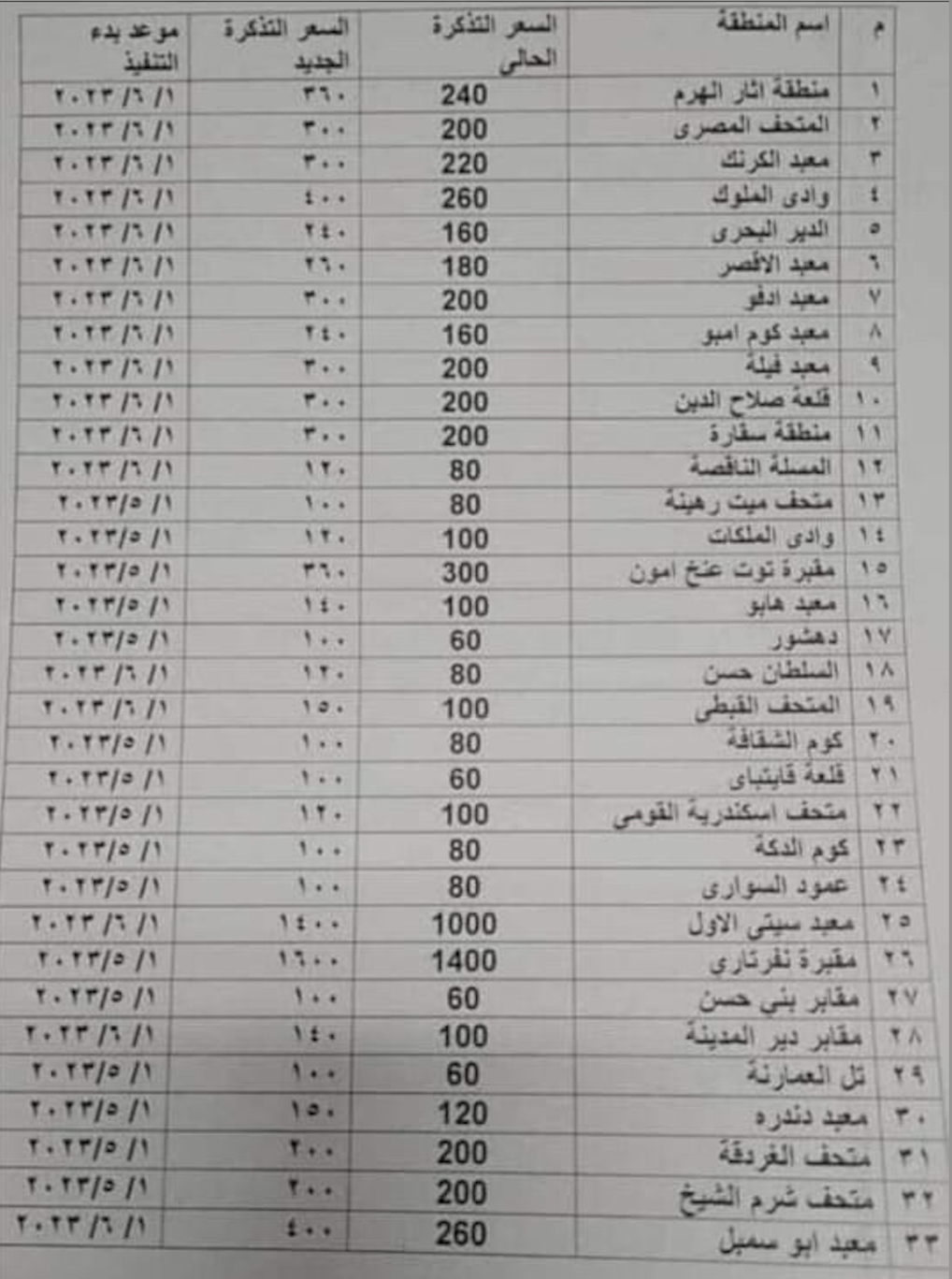
IN CONTEXT- The Tourism Ministry is increasing ticket prices (pdf) to more than 30 tourist attractions — from the Egyptian Museum to the Tomb of Nefertari — by a range between 20-67%, with the price of the latter jumping to a whopping EGP 1.4k. The new prices come into effect as of 1 June.
CAIRO ESCAPADES-
The new 1.8km Mamsha Ahl Misr, near Imbaba Bridge, boasts one of the best views of the Nile river in Cairo. The public walkway — which you can enter with a EGP 20 fee — is pleasant enough for a stroll, but there’s also a string of cafes and restaurants along the promenade that you can visit. For a more athletic experience, you can also rent a bike and cycle your way down the walkway.
Views of the Nile never get old, but what about views from the Nile? If you’re looking to do something fun (and don’t mind getting wet), you can go for some rowing, kayaking or windsurfing classes in the Nile. Clubs likeNile Kayak Club, Cairow, and Rowin offer introductory classes in Dokki and Maadi to those interested. A single session costs between EGP 200-350, depending on how advanced it is.
More of an excursionist? Go to Saint Samaan, the Tanner monastery, which is literally hidden within the walls of a gigantic natural cave in Mokattam. Also known as The Cave Church, the monastery houses three churches and has a seating capacity of 20k, making it the largest monastery in the Middle East. The gorgeous priory utilizes its environment in its decor, the beauty of nature emphasizing its sanctity. The monastery was originally built in the 1960s by the Zabbaleen community in Mokattam and was eventually turned into a church and monastery by the dominantly coptic community, according to the monastery’s website.
You can book a tour of the monastery on the website. While the price is not listed on the website, they do mention that all proceeds go towards upkeep and development of the monastery as well as a list of chosen charities.
ALEX ADVENTURES-
While you’re up in Alex, you should swing by what is hands down the most eccentric stores in Egypt. Former football player Nasser El Sherbini’s shoe-store-turned-museum is a surreal hybrid offering visitors a dash of sociopolitical commentary through a space that is part art gallery and part zoo. The former football player operated the small shoe store for several years before developing an interest in papier-mâché, according to Atlas Obscura. He started sculpting large figures that now adorn the shop, including a gigantic model of a hydra that Atlas Obscura says represents socio-cultural issues, with each head representing an ailment like corruption, racism, and ignorance. You’ll also find caged monkeys and snakes inside the store, just in case the absurdist gallery wasn’t interesting enough. Its mix of curios is what now makes it the Tamr Hena Museum.
HOW TO GET THERE- You can find the museum in El Ibrahimeya on Omar Lotfy Street.
PORT SAID’S SEAFOOD + HISTORY-
Home to one of Egypt’s most important ports, Port Said is a small port city that can be toured in its entirety in a few hours. With impeccable seafood and a number of worthwhile landmarks — including the obelisk of martyrsand an octagon-shaped lighthouse — there’s a lot to see — and experience — in the city. We recommend you also save an hour or two for the beach, which is small and quaint, and if you’re early, you can see fishermen on their boats heading out to fish. And if you’re into Friends, don’t miss out on the Central Perk-inspired cafe located in a narrow alleyway in the city. For seafood, head to El Borg, one of the biggest seafood spots there.
REMOTE EXPERIENCES-
Another 2.5 hours away from Cairo is a little island in Kafr El Sheikh known as Shakhloba Island, a venetian paradise painted in lush greens on Lake Burullus, right at the edge of the Mediterranean. The population is comprised mostlyof fishermen, boat builders, and net weavers, but some of them must secretly be artists as well, as their houses are covered in beautiful, colorful graffiti.
But beware: The road less traveled is unfortunately the road less paved, so the ride there will definitely not be the most comfortable experience. A felucca will take you out to one of the houses on one of the many tiny islands where you can have lunch in the middle of the lake.Emo Tours provides a day tour that includes a tour guide, lunch, and pickup/dropoff for USD 100 per person for a group of two or three people, or USD 75 for a group of four or six.
Another hidden gem in Kafr El Sheikh: The historic city of Fuwwah, which is filled with picturesque mosques and kilim workshops almost on every corner. The village was declared by UNESCO as the third largest city containing Islamic architecture after Cairo and Rashid, according to Youm7. The city is also famous for fesikh, the traditional Egyptian salted and pickled fish most Egyptians eat during Sham El Nessim.