MENA <> India Corridor
  MENA+ Edition
  Egypt Edition
  UAE Edition
  Saudi Edition
  Logistics (MENA)
  Climate (MENA)

 Share Issue
Good morning, ladies and gents. We are kicking off the week with a sense of relief sweeping through the markets as the US and Iran look poised to ink a peace agreement that would finally reopen the Strait of Hormuz. The news has already sent oil prices tumbling and Indian equities surging.
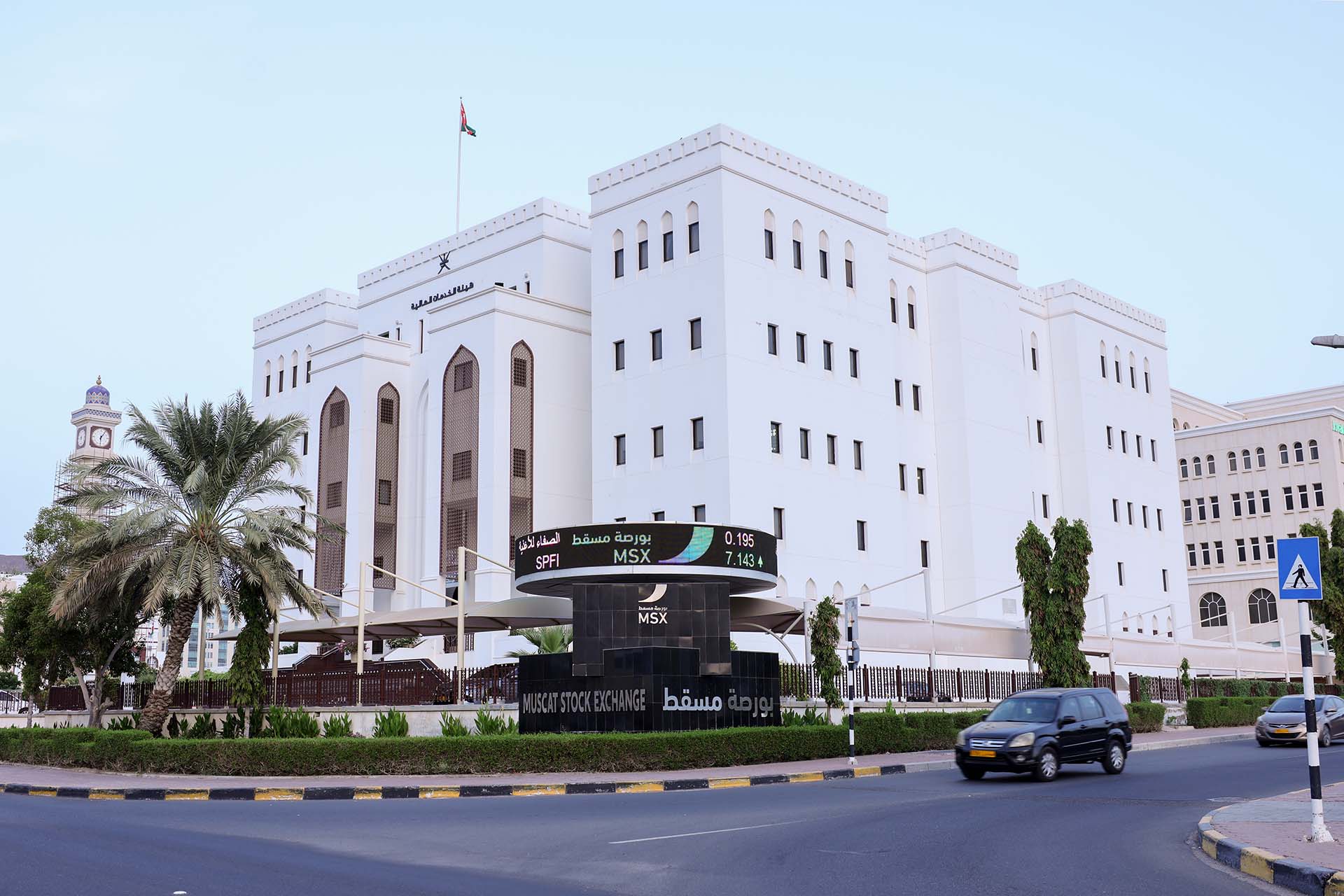
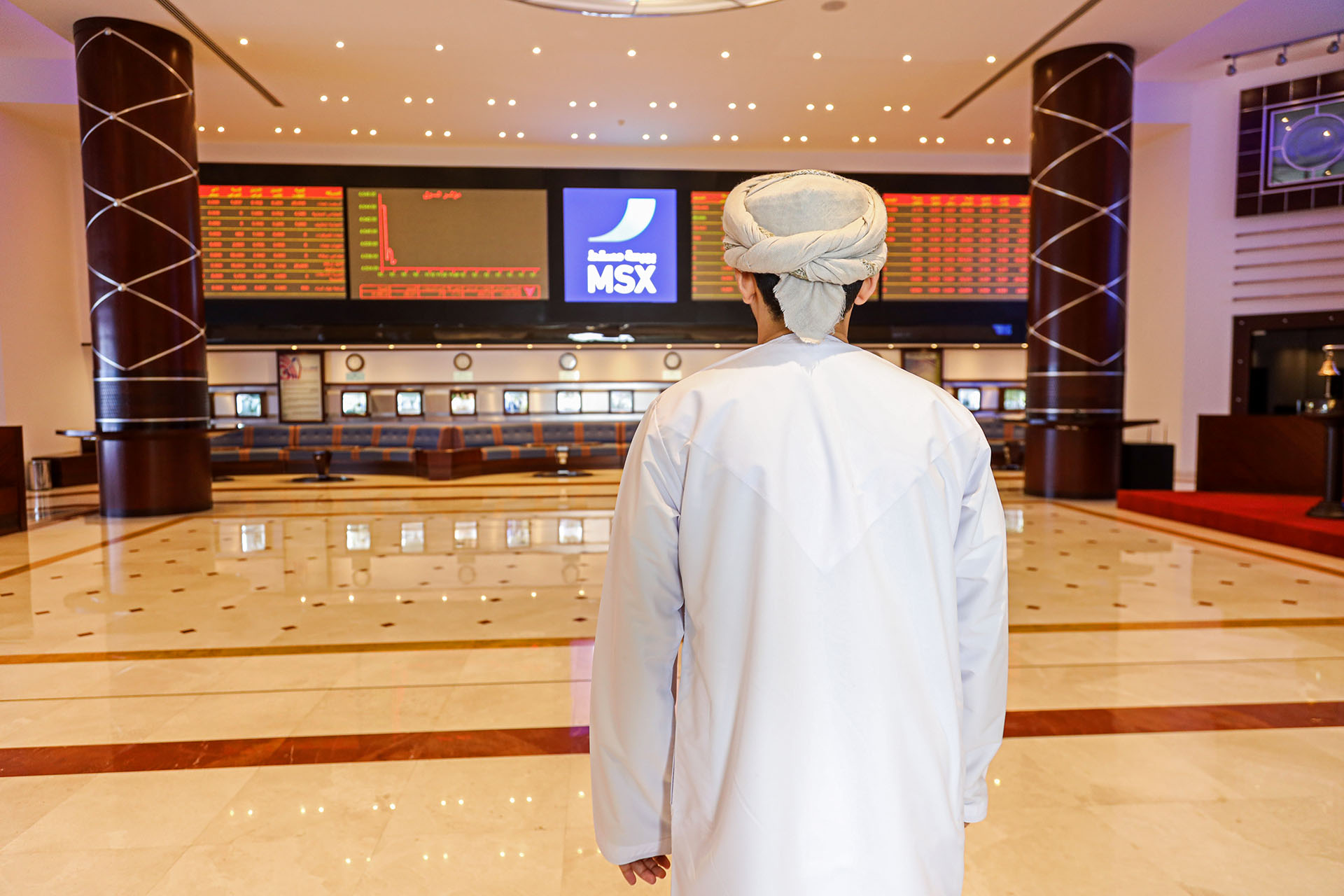
In our big story today, we have the breakdown of Oman India Fertilizer Company’s listing on the Muscat Stock Exchange, which kicks off tomorrow. The JV between Indian and Omani state-run firms is eyeing a USD 2.7 bn valuation for its debut.
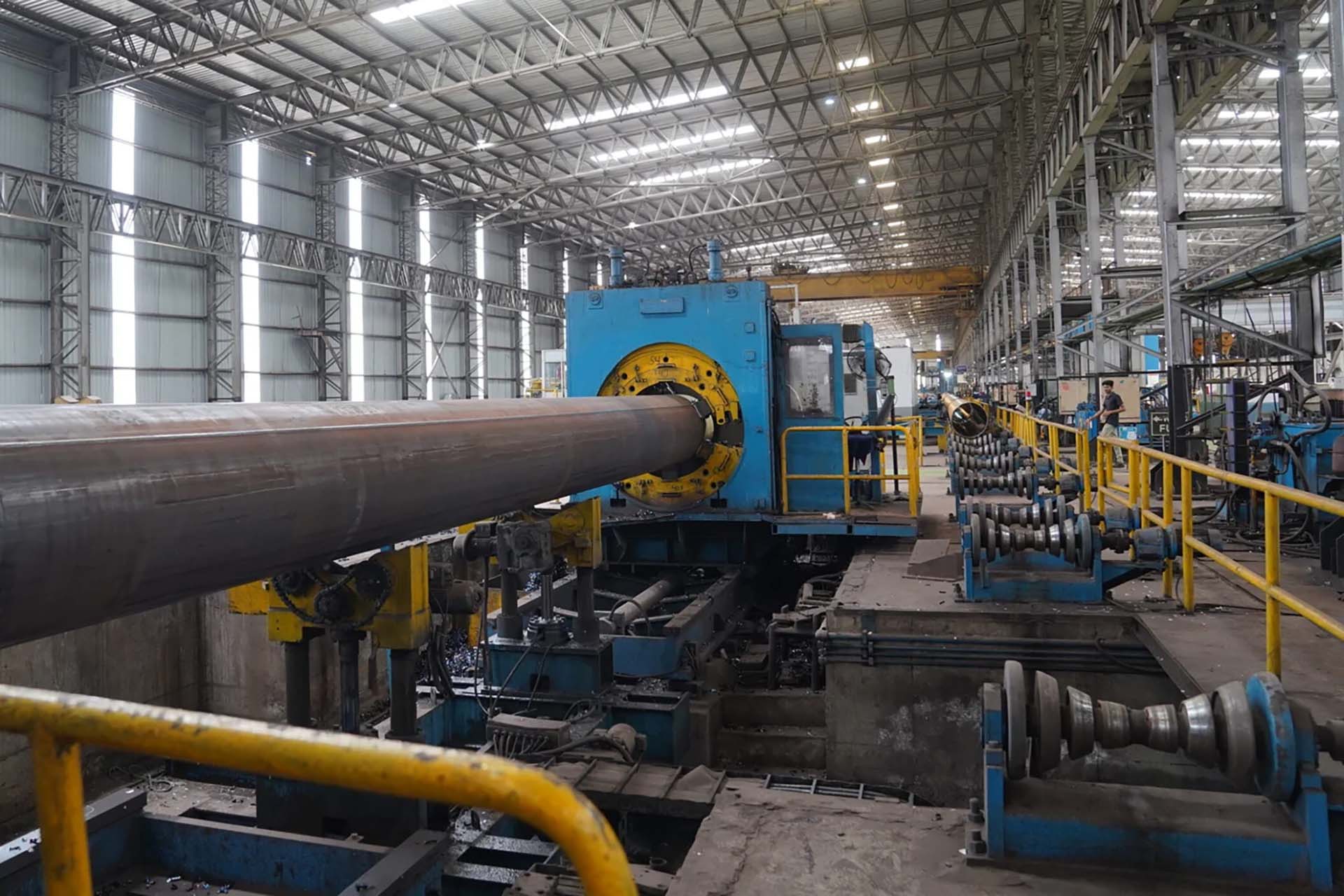
Plus: Pipe manufacturer Man Industries is doubling down on localization, dropping USD 102 mn to acquire a Saudi firm and secure a crucial manufacturing foothold in the Kingdom.
Let’s dive right in.
Inflation inches higher in May
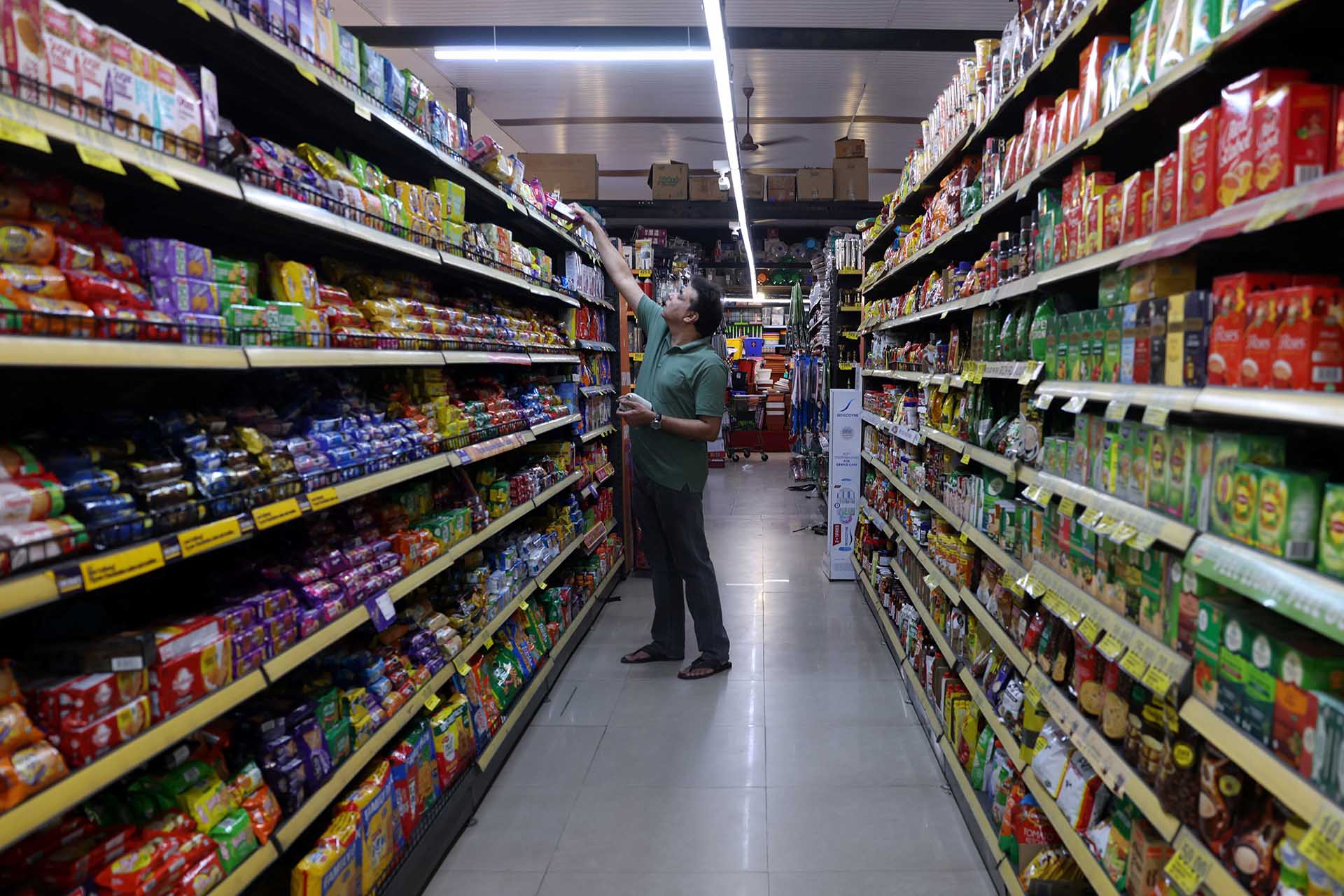
India’s retail inflation rose to 3.9% in May, its highest reading since January, as per a Statistics Ministry press release. Higher food and fuel costs have begun to feed through to households following the war and a series of domestic fuel-price hikes.
Food pressures build: Food inflation accelerated to 4.7% in May from 4.2% a month earlier, while transport inflation climbed to 1.7% from a contraction of 0.01% in April, after state-run fuel retailers implemented four rounds of price increases in May. The Reserve Bank of India recently raised its FY 2027 inflation forecast to 5.1% from 4.6%, while keeping interest rates unchanged. Core inflation, which excludes food and fuel, remained relatively contained at around 3.9%.
Weathering an uneven monsoon: Inflationary pressures could intensify if El Niño conditions weaken the June-September monsoon, which supplies roughly 70% of India’s annual rainfall and remains critical to agricultural output.
Why it matters: With the INR down nearly 5% since the war began and monsoon risks looming, policymakers face growing pressure to contain inflation without undermining growth. Whenever India faces structural food inflation, the state’s default playbook is protectionism — banning or taxing exports of rice, wheat, and sugar to protect local consumers. With the GCC amounting to 21.8% of India’s total agri-exports in 2025 — worth about USD 11.8 bn — the region’s procurement teams could be expected to prepare for supply chain disruptions if India imposes export control measures.
Razorpay’s listing
Bengaluru-based payments company Razorpay has confidentially filed draft papers for an IPO with India’s market regulator, joining a growing list of tech startups seeking to tap public markets, Economic Times reports.
What we know so far: The proposed IPO size is pegged at a size between USD 500 and USD 700 mn, targeting a valuation of USD 5-6 bn. Founded in 2014, Razorpay is one of India’s largest fintech companies, providing payment gateway, merchant banking, and business-finance solutions to more than 10 mn businesses.
Gulf footprint: Backed by heavyweights, including GIC, Lightspeed, and Y Combinator, Razorpay has steadily built out its operations in the UAE. The company serves as a critical payment infrastructure bridge between India and the Middle East, catering to both local businesses and cross-border merchants.
Why it matters: Razorpay has aggressively scaled its high-margin cross-border products, particularly its export accounts. These tools allow Indian exporters to bypass traditional banking fees by opening virtual accounts that receive payments directly in GCC currencies, including the AED, SAR, and KWD. Consequently, the company’s profitability is increasingly tethered to mid-market trade flows along the India-MENA corridor. The late-stage fintech’s listing will be closely watched by Gulf SWFs who are among the most avid backers of India’s tech firms.
Sound smart: The confidential filing route allows companies to keep financial details and other disclosures private until closer to the launch of the share sale.
Seafarer deployment in the Gulf restricted
The Indian government has asked shipping companies and maritime recruitment agencies to restrict the deployment of seafarers to conflict zones in the Arabian Gulf, as per an advisory issued by the Ports Ministry. The safety directive follows a series of strikes on commercial vessels that left Indian crew members dead or injured.
Why it matters: Indian nationals account for roughly 15% of the global maritime workforce. Vessel masters operating in the Gulf, including the Strait of Hormuz, have been instructed to maintain heightened vigilance, monitor security advisories, and implement enhanced ship security procedures.
What has transpired: Just last week, three Indian seafarers were killed in a strike on the oil tanker MT Settebello, and two other Indian-crewed vessels were attacked the same week. India has placed its maritime agencies on high alert and is coordinating with the Navy, foreign missions, and shipping companies to support Indian seafarers.
The diplomatic response: “Such lethal actions against commercial shipping are not justified,” India’s External Affairs Minister S. Jaishankar said while speaking with US Secretary of State Marco Rubio to register the government’s protest.
The big story abroad
Mark your calendars for Friday: The US and Iran will ink an agreement to end the war and reopen the Strait of Hormuz on Friday — the agreement is “now complete,” according to US President Donald Trump.
While the details of the agreement remain unclear, Pakistani Prime Minister Shehbaz Sharif said it includes the “permanent termination of military operations on all fronts, including in Lebanon.” Contrary to Trump’s statement, the Iranian side said the agreement calls for the reopening of Hormuz within 30 days.
The UK, France, Germany, and Italy said they’re ready to lift sanctions on Iran in light of Iran’s efforts to address its nuclear program. “Iran must never acquire a nuclear weapon. We stand ready to work with the US, Iran, and the IAEA to this end,” they said in a joint statement.
Markets reacted as expected: After Trump’s call for the ships of the world to start their engines and “let the oil flow,” Brent fell almost 4% to USD 83.86. One LNG tanker is on its way to the strait after being stuck in the Gulf for months. We’ll be closely watching to see if it makes the trip safely.
Asian markets and US futures celebrated the news: Asia-Pacific equities jumped in early trading, with Japan’s Nikkei and South Korea’s Kospi hitting fresh highs on the back of the news and a semiconductor-led rally. Over in the US, stocks are set to open higher, with futures in the green.
Get Enterprise daily
The roundup of news and trends that move your markets and shape corporate agendas delivered straight to your inbox.
*** YOU’RE READING EnterpriseAM MENA - India, your C-suite briefing on the movement of trade, investment, people, and ideas along one of the world’s most exciting corridors. Every Monday, Wednesday, and Friday at 2:30pm UAE, we dive deep into the business, finance, economy, and policy headlines and trendlines that will move markets and set the tone for your day.
Were you forwarded this briefing? Tap or click here to sign up without charge for your own copy. ***
Circle your calendar
Check out our full calendar on the web for a comprehensive listing of upcoming news events, national holidays, and news triggers.