MENA <> India Corridor
  MENA+ Edition
  Egypt Edition
  UAE Edition
  Saudi Edition
  Logistics (MENA)
  Climate (MENA)
 Share
Share
 Read Full Issue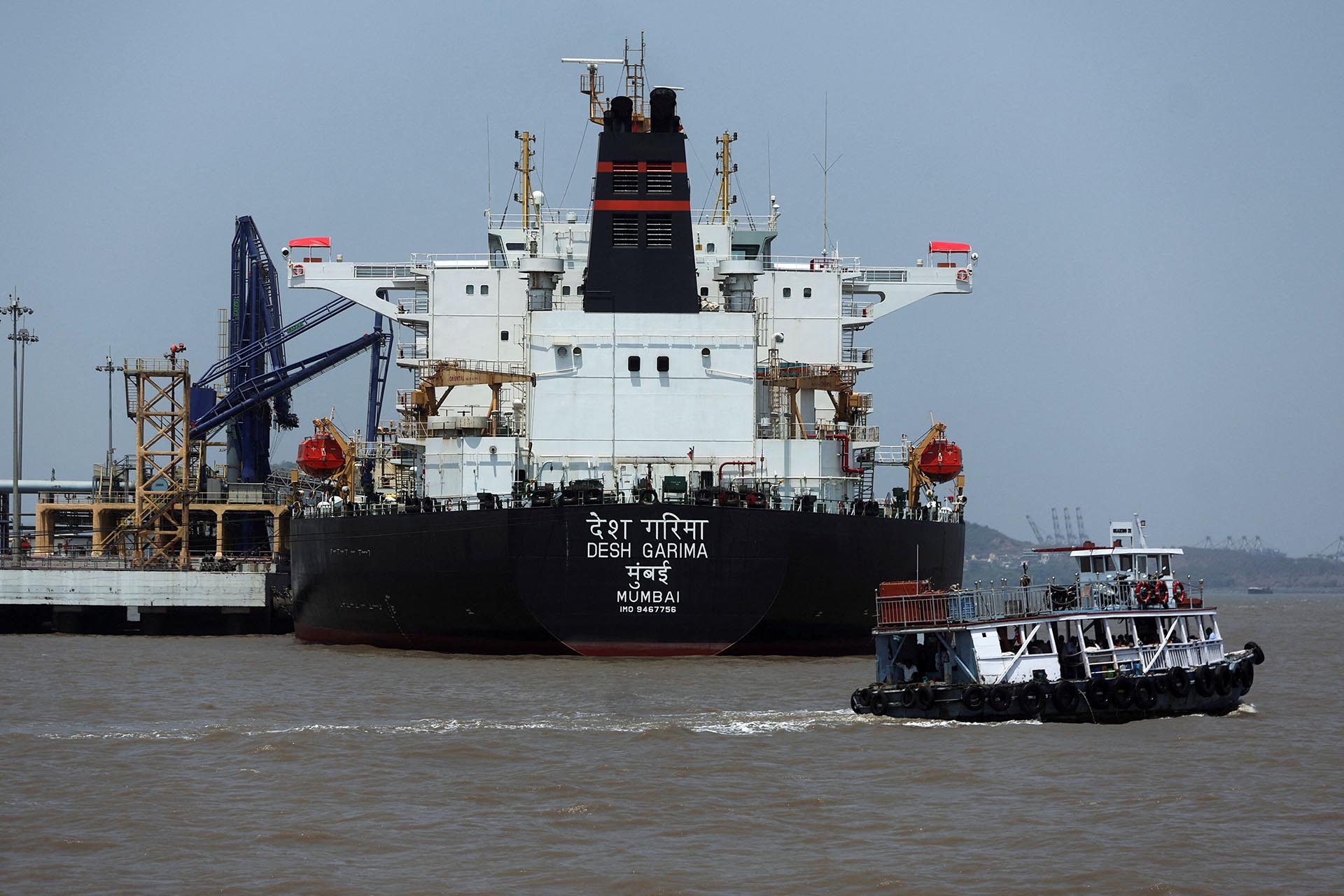
Saudi Arabia and the UAE have decoupled their crude exports from the ongoing Strait of Hormuz crisis, successfully ramping up supply to India through alternative pipelines, according to Kpler data picked up by the Economic Times.
What we know so far: Saudi flows rose to about 697k bbl / d in April, marginally higher than last year’s monthly average of 668 bbl / d. Supplies from UAE also increased by 43% from last year’s monthly average to 619k bbl / d this month.
Alternative routes ease disruption: Saudi Arabia has redirected cargoes through its East-West pipeline to Red Sea ports, while the UAE has rerouted via Fujairah port, allowing shipments to continue despite chokepoint constraints. These adjustments have partly offset supply losses from Iraq, Kuwait, and Qatar, which have reduced India’s total crude imports by 15% compared to February.
Why it matters: While regional peers like Iraq, Kuwait, and Qatar remain geographically constrained, with their Indian exports curtailed by the Hormuz disruptions, Saudi Arabia and the UAE have managed to decouple their energy exports from regional volatility.
Diversification fills the gap: India has also boosted imports from Russia, Iran, Venezuela, and Oman to stabilize supply. However, the reliance on alternative routes and suppliers indicates structural vulnerabilities, with nearly half of India’s crude imports typically exposed to Hormuz-linked disruptions.