MENA <> India Corridor
  MENA+ Edition
  Egypt Edition
  UAE Edition
  Saudi Edition
  Logistics (MENA)
  Climate (MENA)
 Share
Share
 Read Full Issue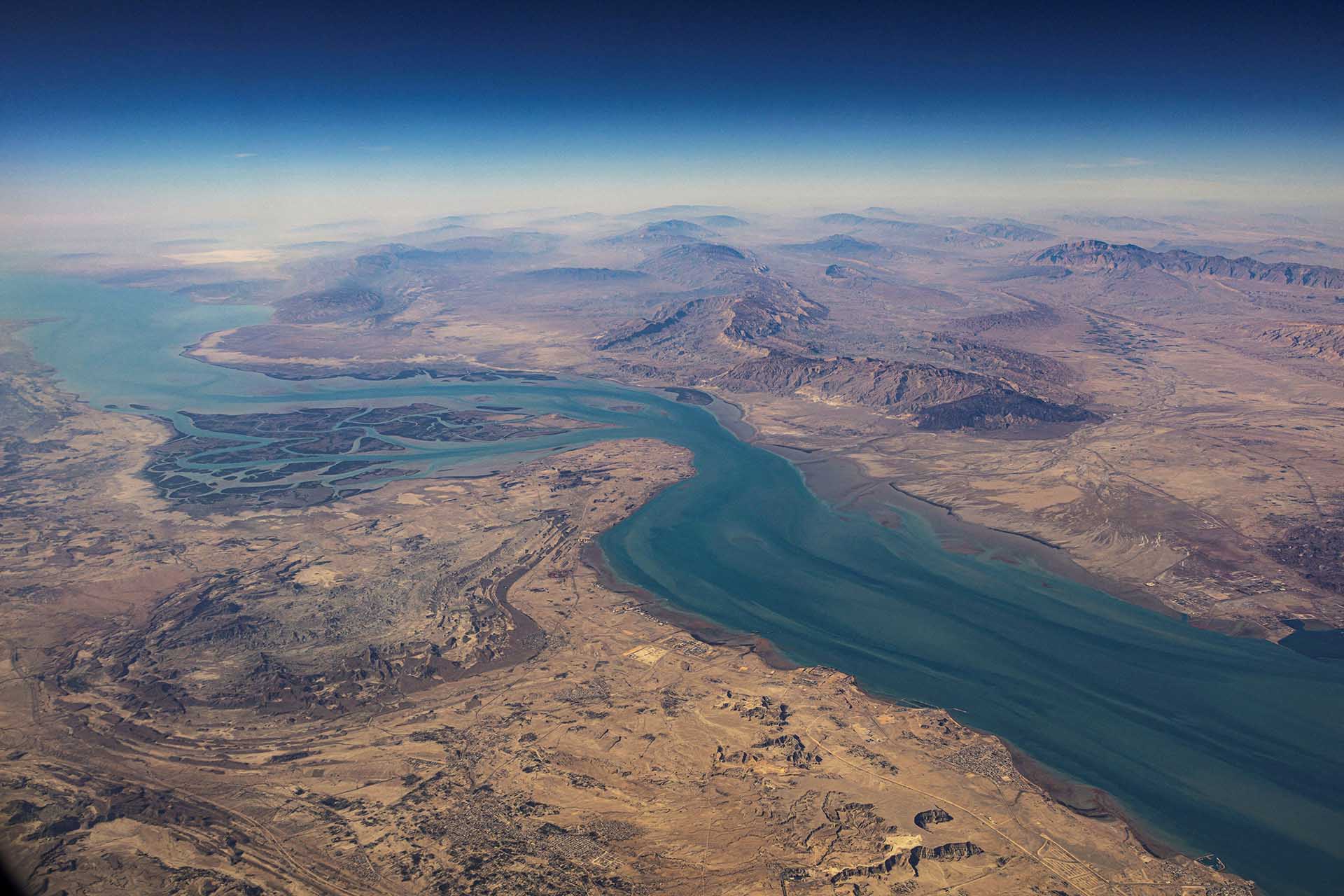
Yes — Hormuz matters for way more than oil and gas: Roughly one-third of global fertilizer shipments pass through the Strait of Hormuz, linking Gulf production hubs with agricultural markets worldwide. With shipping through the passageway disrupted, fertilizer markets are already repricing the risk — raising the prospect of higher crop input costs and, eventually, food prices.
Why it matters for India: India imports up to 25% of its fertilizer supply from the Gulf region. Nearly 46% of its urea comes from Oman alone, and over 60% of its nitrogen fertilizer imports come from Oman, Qatar, the UAE, and Saudi Arabia, according to News18. A large chunk of these shipments passes through the Strait of Hormuz, making India's agricultural supply chain highly sensitive to disruptions in this region
The fertilizer market is where the math starts for the food supply chain
Nitrogen fertilizers are the driver of modern agriculture. Methane is converted into ammonia and then upgraded into urea and other nitrogen products used to boost crop yields. Around half of global food production depends on synthetic nitrogen fertilizers, with 180 mn tons consumed globally each year.
The Gulf dominates the market, and nearly all of its output must move through Hormuz. Around 55-60 mn tons of urea are shipped by sea annually, with the Middle East accounting for some 40-50% of that volume. Iran exports roughly 5 mn tons, while Saudi Arabia contributes around 4-5 mn tons through producers like Sabic.
Energy shocks have amplified the pressure since natgas is the main input for nitrogen fertilizers. “Natural gas’ key role as a fertilizer input could hit agricultural producers, impacting food prices,” MENA Director at Horizon Engage Andrew G. Farrand tells EnterpriseAM. Qatar’s shutdown of the Ras Laffan LNG export facility sent reverberations through the industry. Qatar accounts for roughly 11% of global urea exports, according to Bloomberg Intelligence analyst Alexis Maxwell. The country exports some 5.5-6 mn tons of urea and ammonia annually from its Qafco complex.
Market reax: Prices for granular urea jumped USD 60 per ton after the effective closure of the strait. In the US Gulf, spot for urea jumped USD 60-80 from last week, with traders warning that increases could follow if disruptions persist.
Supply chains were already tight before the conflict escalated: Urea markets turned bullish earlier after drone damage hit a Russian nitrogen plant, tightening availability. The US, despite producing domestically, still relies on imports from the Middle East that transit Hormuz.
Fertilizers may not even be the first agricultural bottleneck to bite: For some high-tech growers, specialty inputs such as pollinators and biological pest-control supplies can become harder to replace before fertilizer shortages become tight. That means prolonged disruption can start weighing on yields through the wider agricultural input chain — not just through urea prices alone.
Adding fuel to the fire, the EU announced that it will keep carbon levies on imported fertilizers under its Carbon Border Adjustment Mechanism, rejecting calls to suspend the scheme despite concerns it could push up costs for farmers. “The decision is ill-timed, especially given the repercussions of the ongoing war, the rising energy prices, and the halt in urea production from Qatar, the UAE, and Saudi Arabia — the largest gas exporters. Therefore, prices will rise much higher than the ETS carbon price increase," Osama Henein, H2lligence founder and CEO, tells EnterpriseAM.
The impact
India is entering its peak summer procurement window for the upcoming sowing season. Without the fertilizer shipments as well as rising prices, the June sowing season for rice, pulses, and oilseeds — which account for over half of India’s grain production — is at risk. India’s farming sector is highly sensitive to input costs as the vast majority of its farmers operate on razor-thin margins.
Macro trouble: Rising prices will directly impact India’s fiscal deficit, as the government provided INR 1.7 tn (USD 18.3 bn) in fertilizer subsidies for its farming sector in the current fiscal year. With urea spot prices jumping USD 60-80 per ton, the government will be forced to choose between massive subsidy spending or letting food inflation spiral.