MENA <> India Corridor
  MENA+ Edition
  Egypt Edition
  UAE Edition
  Saudi Edition
  Logistics (MENA)
  Climate (MENA)
 Share
Share
 Read Full Issue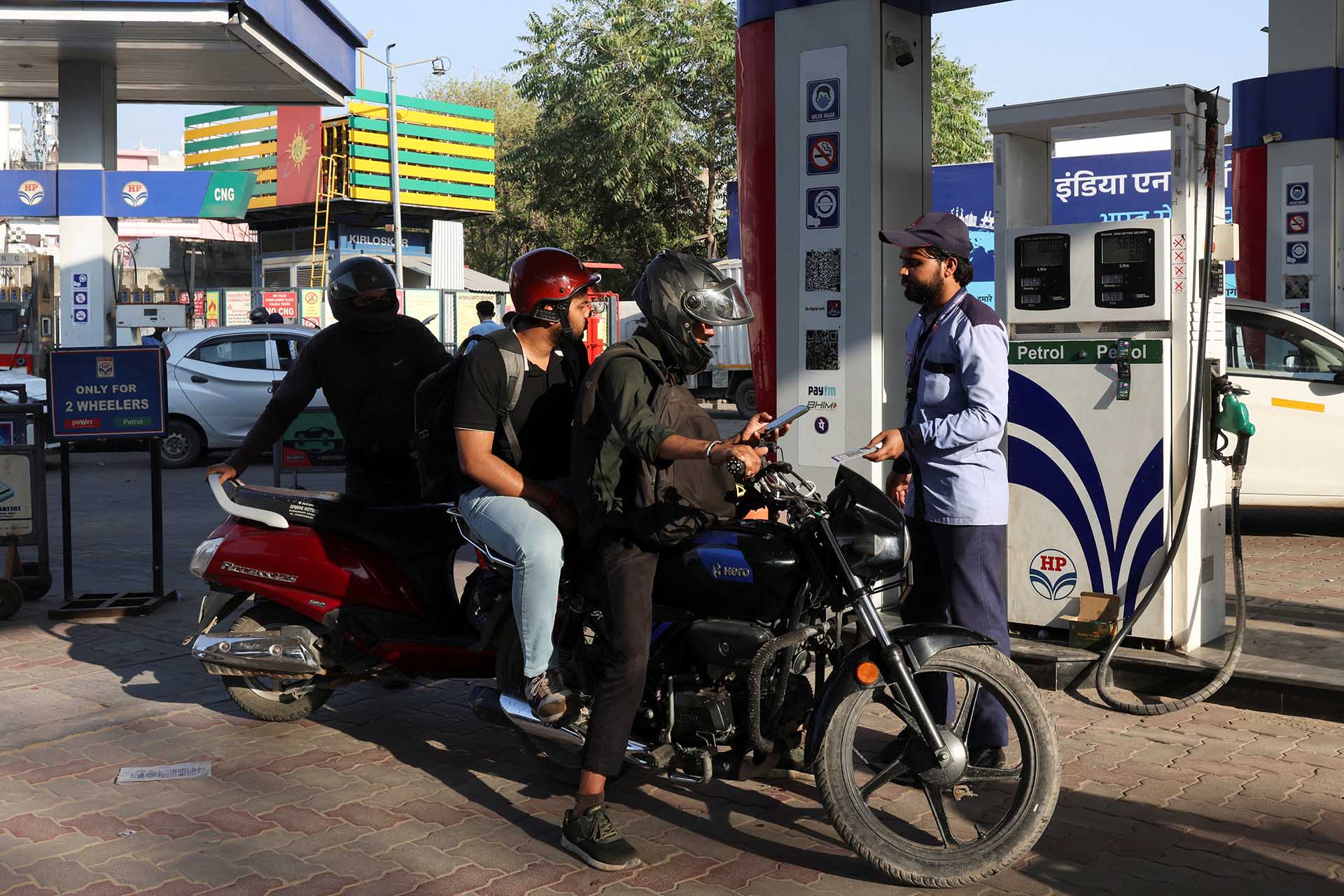
Good afternoon, readers. The war has shown no signs of letting up over the weekend, with the UAE, Saudi Arabia, Bahrain, Qatar, and Kuwait intercepting multiple Iranian drones and missiles. The strikes impacted vital infrastructure across the region:
- Bahrain’s state-owned oil company announced force majeure on its shipments this morning after strikes targeted the country’s sole oil refinery;
- A desalination plant was also hit in Bahrain, causing damage, though no disruptions were reported;
- Saudi Arabia reported its first fatalities, along with 12 injuries, after a projectile hit a residential area in Al Kharj, south of Riyadh;
- Fuel tanks at Kuwait International Airport were also targeted in a drone attack.
The big story today: Multinational corporations operating in the Gulf are reviewing their risk planning to ensure continuity as business and financial hubs take a hit. The analysts we spoke to tell us that reshoring or flight of capital is unlikely in the short term, but companies are still looking at possible alternatives including India.
All of that and more below.
Watch this space
TECH — Disruptions to cloud services due to the Gulf conflict are prompting Amazon Web Services (AWS) and Microsoft Azure to consider shifting workloads from the region to alternative hosting locations including India and Singapore, Economic Times reports.
Infrastructure shift: These companies are seeking immediate capacity in Indian cloud hubs including Mumbai, Chennai, Hyderabad, and Kochi to host critical workloads, particularly for financial sector clients. Enterprises have begun activating disaster recovery protocols that include shifting workloads to safer regions.
Background: Iran’s strikes disrupted two data centers in the UAE and one in Bahrain, affecting services used by banking applications, airport operations in Dubai and Kuwait, and the UAE stock exchange, the daily added.
Why it matters: The Gulf conflict could boost the reliability of India’s cloud computing infrastructure. India currently has about 1.4 gigawatts (GW) of installed data center capacity, with global hyperscalers and Indian infrastructure groups including Reliance Industries, Adani Group, Tata Group, and Larsen & Toubro committing about USD 270 bn toward expanding the country’s data center ecosystem to around 10 GW over the next seven years.
MARKETS — Benchmark Indian equity indices plunged in early trade, with the Sensex and Nifty falling nearly 3% in early trade as escalating tensions triggered a broad risk-off sentiment.
Oil shock drives selloff: The rout follows a surge in Brent crude above USD 100 per barrel, rising fears of inflation and a widening current account deficit for India. Foreign investors continued to offload equities, amplifying volatility across banking, aviation, and infrastructure stocks.
Shares of Indian oil majors dipped up to 5.4% — Indian oil declined 4.6%, Hindustan Petroleum was down 4.9%, and Bharat Petroleum dipped 5.4%. The Nifty oil and gas index was trading 2.1% lower.
CURRENCY — The INR weakened past the INR 92 per USD mark to a record low of about 92.3 amid rising crude oil prices, foreign investor outflows, and the ongoing war in the Middle East, India Today reports. Last week, the Reserve Bank of India burned some USD 12 bn to support the currency. The downward push is likely to persist amid rising oil prices.
Oil watch
Oil prices surged 25% to a two-year high this morning as the regional war tightened energy supplies and lowered hopes of interest cuts, Reuters reports. Brent crude futures increased to USD 119.50 / bbl, while US West Texas Intermediate was up to USD 119.48 / bbl.
Why it matters:A USD 10 per bbl rise in average crude prices is expected to increase India's annual import bill by USD 13-14 bn, Prashant Vashisht, senior vice president of corporate ratings at ratings agency ICRA, told EnterpriseAM last week. Higher oil prices remain the most potent transmission channel for Asian economies, and every 10% rise in crude could worsen current-account balance by roughly 0.3% of GDP, with import-dependent economies such as India among the most exposed, ratings agency Nomura said in a note (pdf).
Get Enterprise daily
The roundup of news and trends that move your markets and shape corporate agendas delivered straight to your inbox.
***
YOU’RE READING EnterpriseAM MENA <> India, your C-suite briefing on the movement of trade, investment, people, and ideas along one of the world’s most exciting corridors. Every Monday, Wednesday, and Friday at 2:30 pm UAE, we dive deep into the business, finance, economy, and policy headlines and trendlines that will move markets and set the tone for your day.
Were you forwarded this briefing? Tap or click here to sign up without charge for your owncopy.
***
The big story abroad
Leading today’s global news cycle is the appointment of a new supreme leader in Iran. Mojtaba Khamenei — Ayatollah Ali Khamenei’s son — is taking on the role after the killing of his father, according to Iranian state media. The decision was taken by a group of clerics known as the Assembly of Experts. US President Donald Trump had previously characterized the appointment of the former supreme leader’s son as “unacceptable.”
Circle your calendar
Check out our full calendar on the web for a comprehensive listing of upcoming news events, national holidays and news triggers.