MENA <> India Corridor
  MENA+ Edition
  Egypt Edition
  UAE Edition
  Saudi Edition
  Logistics (MENA)
  Climate (MENA)
 Share
Share
 Read Full Issue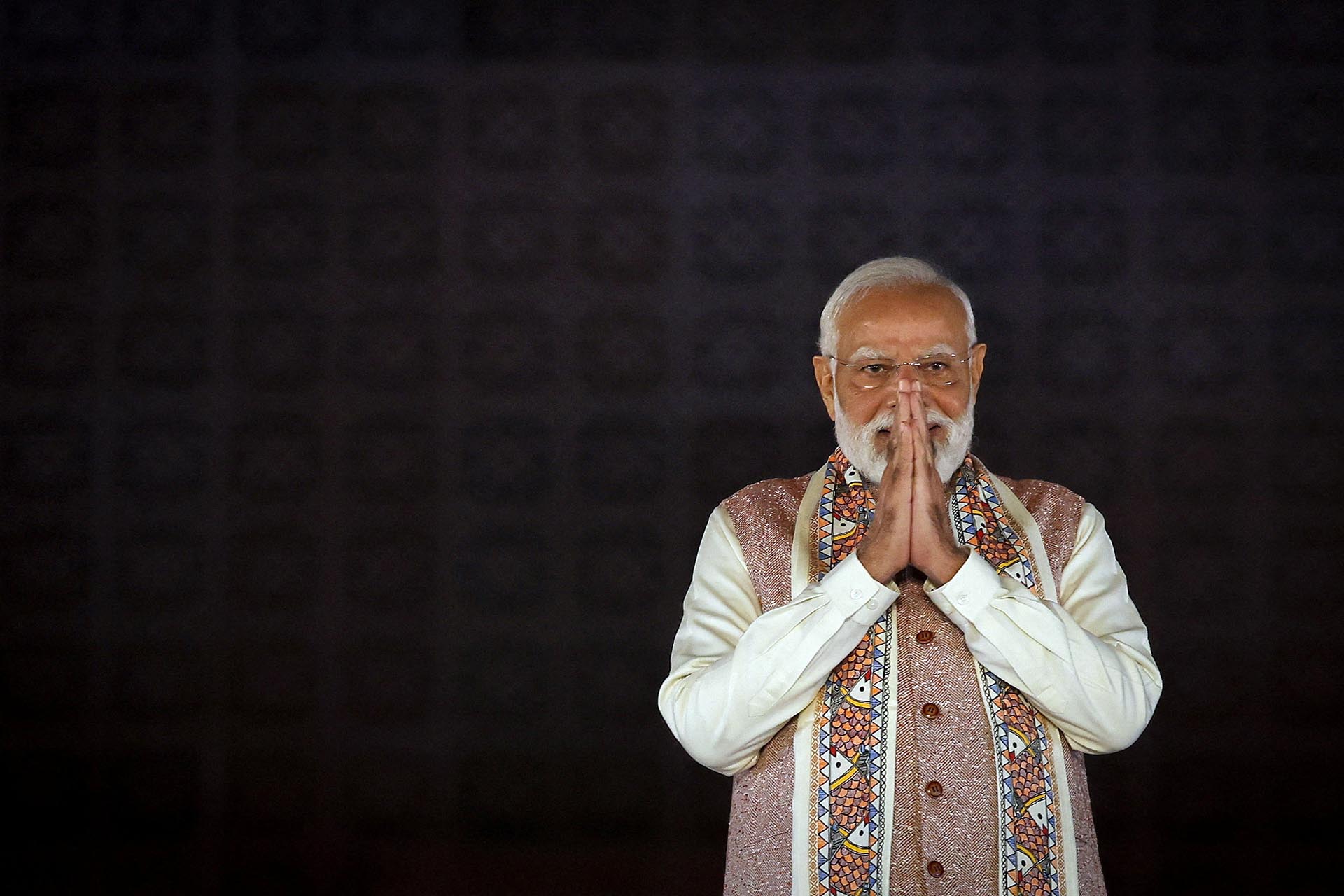
Major reform: The Modi government has formally implemented the four new labor codes, replacing decades-old laws with a modern and cohesive framework, the Labor Ministry said in a statement. Although the laws were passed by parliament in 2020 and ratified by state legislatures, they were still on hold until now. The laws come into force immediately.
(** Tap or click the headline above to read this story with all of the links to our background and outside sources.)
Here’s the breakdown: The four labor codes will replace 29 antiquated and fragmented laws, some dating back to the 1930s and 1950s:
- The Code on Wages establishes a universal minimum wage floor to help ensure timely, non-discriminatory wage payment;
- The Industrial Relations Code streamlines dispute resolution and modernizes employment termination and negotiation rules;
- The Code on Social Security extends mandatory social security (Provident Fund, ins. etc.) to all workers, including gig and platform workers;
- The Occupational Safety, Health, and Working Conditions Code mandates improved safety standards, especially in hazardous industries. It also governs working hours.
Big business is welcoming the move: India’s leading business association, the Confederation of Indian Industry (CII), has hailed the implementation of the new legislation as a historic milestone. “These codes ensure better wages, stronger social security, enhanced workplace safety and a more predictable regulatory environment for both workers and industry,” Chandrajit Banerjee, Director General of CII said in a statement. The reform, “brings India in line with global standards, eases compliance, empowers enterprises, and strengthens the foundations for higher productivity, greater competitiveness and accelerated job creation,” he added.
The Association of Indian Entrepreneurs is a bit less cheery, flagging that the rules will raise operating costs for small and midsized businesses. It wants the government to go easy on implementation deadlines and is asking for “transitional support,” according to reports.
Labor isn’t as happy: Ten large trade unions have come out swinging against the rollout of the new legislation, calling it a “deceptive fraud” perpetrated against the country's workforce, Reuters reports. The unions have announced plans for nationwide protests on Wednesday, demanding an immediate withdrawal of the laws.
Labor objects to provisions that make it easier for businesses to hire and fire staff. The rules make it easier for smaller companies to engage in layoffs and give all businesses more flexibility in how they manage their workforces. It also allows longer factory shifts and night work for women.
The laws include sector-specific compliance provisions for employers on issues including registration, licensing, appointment letters, social security coverage, regulatory inspections, and gender-specific norms. Key highlights include a recognition of gig workers, who will also now have access to a welfare fund. Fixed-term employees of a firm are now entitled to all staff benefits, including gratuity after one year of service.
Contract workers are guaranteed social security, annual medical checks, and fair treatment standards. Employers in designated “hazardous industries” are required to set up safety committees and offer annual health checkups.
Compliance burden: Businesses are mandated to conduct a thorough internal audit to align compensation, employment contracts, safety protocols, and compliance mechanisms with the new codes.
Timing, politics and analysis: The Modi government delayed implementation of the laws for five years fearing electoral pushback as labor unions opposed the laws. Implementation of the laws comes days after the prime minister's party outperformed expectations in the recent state legislature elections in the state of Bihar. The electoral feat has provided a unique political window for Modi to implement potentially contentious reforms well ahead of the 2029 general election. With inflation in control and other macroeconomic indicators appearing stable, Modi may use this window to further business-friendly reforms, including privatization of state enterprises and loosening norms to allow greater participation for foreign investors.